 العربية
  English
  Español
  Français
  Português
  Deutsch
  Italiano
  Русский
  简体中文
简体中文  香港中文
香港中文  한국어
한국어  日本語
日本語  Türkçe
  Nederlands
  Bahasa Indonesia
 اختيار لوحات المركبة المناسبة لتطبيقات التزيين
لقد حولت الألواح المركبة للتزيين المناظر الطبيعية في الهواء الطلق ، حيث تقدم مزيجًا من المتانة والجاذبية الجمالية التي لا يمكن للمواد التقليدية مطابقتها.بصفتي مستشارًا لهندسة المناظر الطبيعية ، غالبًا ما أتعاون مع المهندسين المعماريين ومصممي المناظر الطبيعية لإنشاء بيئات خارجية منخفضة الصيانة وطويلة الأمد لا تعزز فقط جمال المساحة ولكن أيضًا تقف بقوة ضد العناصر.يعد اختيار المواد المركبة المناسبة أمرًا بالغ الأهمية لتحقيق هذه الأهداف.
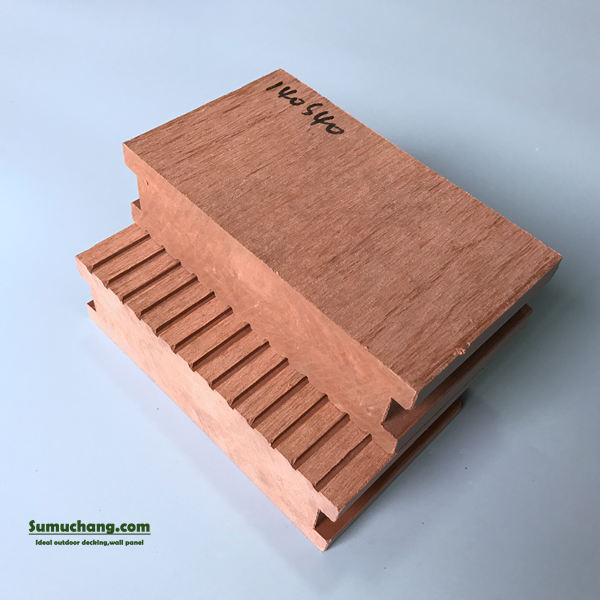
عندما يفكر المهندسون المعماريون في اللوحات المركبة للتزيين ، فإنهم يركزون على الاحتياجات المحددة للمشروع.يجب أن يعكس اختيار المواد الاستخدام المقصود ، سواء كان ذلك لفناء سكني أو مساحة تجارية أو حديقة عامة.تحظى الألواح المركبة المصنوعة من مركبات الخشب والبلاستيك (WPC) بشعبية خاصة بسبب خصائصها الفريدة.توفر هذه المواد مقاومة للرطوبة والحشرات والتلاشى ، مما يجعلها مثالية للتطبيقات الخارجية.
تقييم تركيب المواد
أحد الاعتبارات الأساسية عند اختيار الألواح المركبة هو تكوين المادة نفسها.تجمع WPC بين ألياف الخشب المعاد تدويرها واللدائن الحرارية ، مما يوفر خيارًا مستدامًا يساهم في ممارسات البناء الصديقة للبيئة.يجب على المهندسين المعماريين البحث عن الألواح التي تحتوي على نسبة عالية من الخشب المستصلحة ، لأن هذا لا يحسن فقط التأثير البيئي للمادة ولكن أيضًا يعزز قيمتها الجمالية.عادةً ما تظهر اللوحة المركبة المبنية جيدًا صلابة واستقرارًا ممتازين ، مما يضمن أنه يمكن أن يدعم الوزن دون تشوه أو ترهل بمرور الوقت.
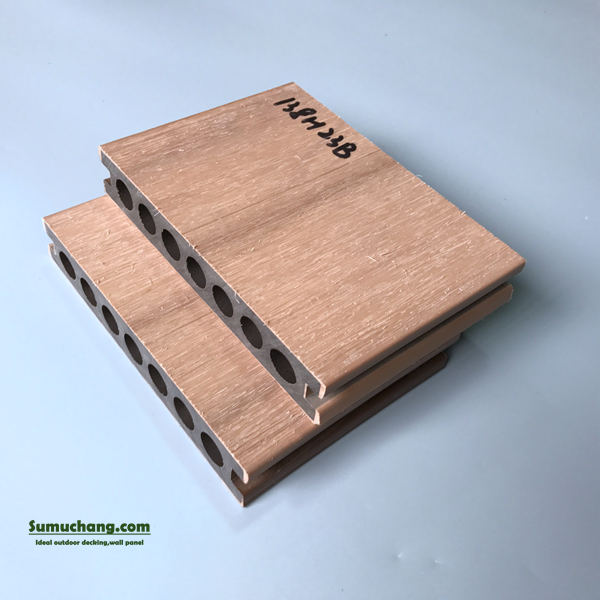
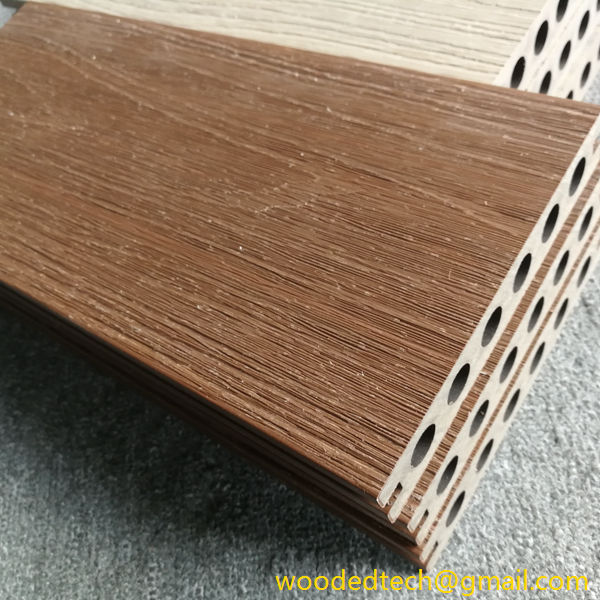
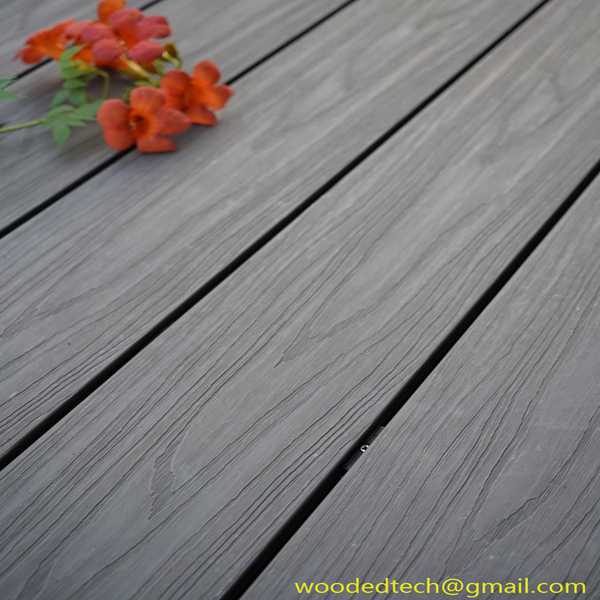
عامل آخر جدير بالذكر هو الانتهاء من المجالس.يمكن أن تأتي المواد المركبة في مجموعة متنوعة من القوام والألوان ، مما يسمح للمصممين بمطابقة التزيين بالمناظر الطبيعية المحيطة أو الميزات المعمارية.قد تكون التشطيبات السلسة مرغوبة للتصاميم المعاصرة ، في حين أن الأسطح المحكمة يمكن أن توفر سحرًا ريفيًا يكمل البيئة الطبيعية.
تقييم الأداء وطول العمر
الأداء ضروري عند اختيار الألواح المركبة للتزيين.لا يتعلق الأمر فقط بكيفية ظهور المادة ؛ إنه يتعلق أيضًا بكيفية أدائها في ظل ظروف مختلفة.تم تصميم مواد WPC لمقاومة التلاشي والتلوين والخدش ، مما يعني أنها تتطلب الحد الأدنى من الصيانة مقارنة بالخشب التقليدي.هذا طول العمر جذاب بشكل خاص لمطوري العقارات وأصحاب المنازل على حد سواء ، لأنه يترجم إلى انخفاض تكاليف الاستبدال بمرور الوقت.
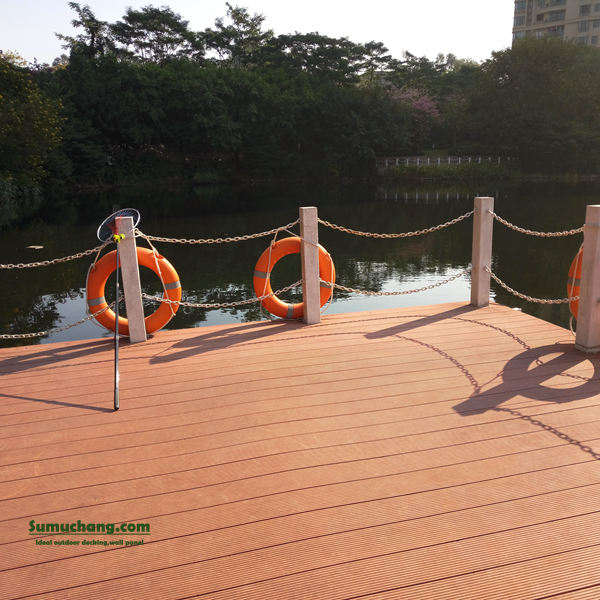
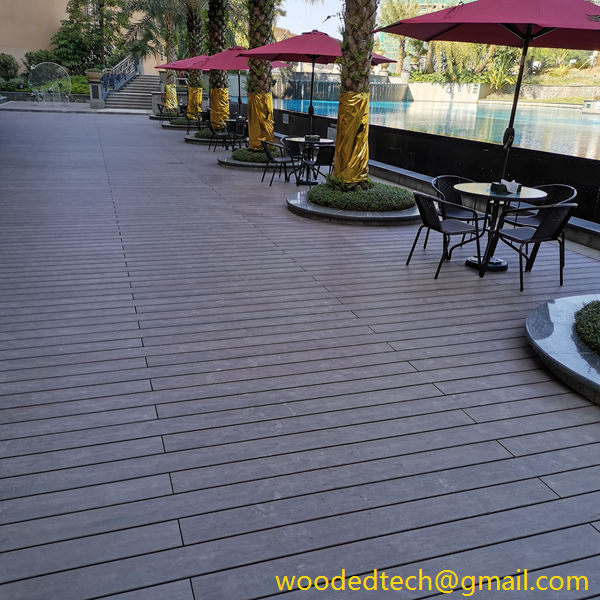
جانب آخر مهم يجب مراعاته هو مقاومة انزلاق اللوحة ، خاصة في الظروف الرطبة.توفر بعض الشركات المصنعة لوحات مصممة خصيصًا لتقليل الانزلاق ، وهو أمر حيوي للسلامة في الأماكن العامة مثل الحدائق وطوابق المسبح والمناطق الخارجية التجارية.اختبار الجر في ظل الظروف الرطبة يمكن أن يوفر راحة البال، وضمان التزيين لا تزال آمنة وعملية طوال عمرها.
التأثير البيئي والاستدامة
وبما أن الاستدامة تصبح أولوية في البناء والتصميم، فلا يمكن إغفال الأثر البيئي للمواد.عند اختيار الألواح المركبة للتزيين ، يجب على المهندسين المعماريين والمصممين النظر في دورة حياة المنتج.إن اختيار الشركات المصنعة التي تعطي الأولوية للممارسات المستدامة لن يعزز فقط المظهر البيئي للمشروع ولكن أيضًا يكون له صدى لدى العملاء الذين يقدرون مبادرات المباني الخضراء.
غالبًا ما تتضمن منتجات WPC مواد معاد تدويرها ، مما يقلل بشكل كبير من الطلب على الموارد البكر.ويمكن أن يساعد تقييم شهادات الاستدامة للمواد المركبة في اتخاذ قرارات مستنيرة، وضمان توافق المنتجات المختارة مع الأهداف البيئية ومعايير البناء.
اعتبارات التكلفة والموازنة
وفي حين أن التكلفة الأولية للألواج المركبة للتزيين قد تكون أعلى من الخشب التقليدي، فإن الوفورات الطويلة الأجل التي تعزى إلى انخفاض الصيانة والاستبدال ينبغي أن تؤخذ في الاعتبار في أي ميزانية.يجب على مصممي المناظر الطبيعية تقديم تحليل شامل للتكاليف لا يشمل فقط سعر المواد ولكن أيضًا تكاليف دورة الحياة المتوقعة المرتبطة بالصيانة والاستبدال.
في كثير من الأحيان ، يثمر الاستثمار في الألواح المركبة عالية الجودة من حيث المتانة والجماليات والسلامة.قد يقدر العملاء القيمة الأولية لهذه المنتجات ، مع الاعتراف بأن الفوائد تفوق بكثير النفقات الأولية.ويصبح هذا الجانب ذا أهمية خاصة في المشاريع التجارية أو المناطق ذات الاتجار الكبير حيث يكون طول العمر والمتانة أمرا بالغ الأهمية.
تكامل المشروع وتناغم التصميم
يجب أن يكون الاعتبار النهائي عند اختيار اللوحات المركبة للتزيين هو دمجها في التصميم العام للمشروع.يجب على المهندسين المعماريين التأكد من أن المواد المختارة تتناغم مع العناصر الأخرى ، مثل المناظر الطبيعية والإضاءة والأثاث الخارجي.يوفر التزيين المركب تعدد الاستخدامات ، مما يسمح بحلول التصميم الإبداعية التي تعزز تجربة المستخدم.
من خلال النظر بعناية في هذه العوامل المختلفة ، وتكوين المواد ، والأداء ، والتأثير البيئي ، والتكلفة ، وتكامل التصميم ، يمكن لمهندسي المناظر الطبيعية والمهندسين المعماريين اختيار اللوحات المركبة الأكثر ملاءمة لتطبيقات التزيين.يضمن هذا النهج الدقيق أن المساحات الخارجية ليست جميلة فحسب ، بل وظيفية ومستدامة أيضًا ، تخدم احتياجات المستخدمين لسنوات قادمة.