 العربية
  English
  Español
  Français
  Português
  Deutsch
  Italiano
  Русский
  简体中文
简体中文  香港中文
香港中文  한국어
한국어  日本語
日本語  Türkçe
  Nederlands
  Bahasa Indonesia
 عندما يتعلق الأمر بتحسين المساحات الخارجية، فإن اختيار ألواح الجدران الخارجية يمكن أن يُحدث فرقاً كبيراً في كل من الجماليات والوظائف. تلعب المواد وعمليات الإنتاج وراء هذه الألواح دوراً حاسماً في أدائها ومتانتها وتأثيرها البيئي. تتوفر أنواع مختلفة من ألواح الجدران الخارجية، ولكل منها خصائص فريدة تلبي تفضيلات التصميم المختلفة والاحتياجات العملية.

أحد الخيارات الشائعة هي ألواح الأسمنت الليفي. وتتكون هذه الألواح من خليط من الأسمنت والرمل وألياف السليلوز التي يتم دمجها وتشكيلها في صفائح. وتتضمن عملية الإنتاج معالجة الألواح تحت ضغط ودرجة حرارة عالية، مما يضفي عليها القوة والمتانة. تشتهر ألواح الأسمنت الليفي بمقاومتها للرطوبة والحرائق والآفات، مما يجعلها خياراً ممتازاً لأصحاب المنازل الذين يبحثون عن حل طويل الأمد. وبالإضافة إلى ذلك، يمكن تشطيبها بمختلف القوام والألوان، مما يتيح خيارات تصميم متعددة الاستخدامات يمكن أن تكمل أي مظهر جمالي خارجي.
هناك نوع آخر من ألواح الجدران الخارجية التي اكتسبت شعبية كبيرة وهي الألواح المعدنية المعزولة. وتتكون هذه الألواح من لوحين معدنيين مع قلب عازل مصنوع عادةً من البولي يوريثين أو البوليسترين. تتضمن عملية التصنيع ربط العزل بالصفائح المعدنية، مما يخلق حاجزًا حراريًا عالي الكفاءة. وتتميز الألواح المعدنية المعزولة بخفة الوزن وقوتها، مما يجعلها سهلة التركيب ومثالية للتصميمات المعمارية الحديثة. كما أنها توفر كفاءة ممتازة في استهلاك الطاقة، مما يساعد على تقليل تكاليف التدفئة والتبريد للمباني. وعلاوةً على ذلك، تتوفر هذه الألواح بتشطيبات مختلفة، بما في ذلك التشطيبات الملساء والمزخرفة وحتى التي تحاكي مظهر الخشب أو الحجر.
تُعد الألواح الخشبية خياراً كلاسيكياً للجدران الخارجية، حيث توفر جمالية طبيعية يمكن أن تعزز أي مساحة خارجية. يمكن أن يختلف إنتاج الألواح الخشبية بشكل كبير اعتماداً على نوع الخشب المستخدم وعمليات المعالجة المطبقة. على سبيل المثال، يتم تصنيع المنتجات الخشبية المصممة هندسيًا، مثل الخشب الرقائقي أو الألواح الخشبية الموجهة، عن طريق ربط طبقات الخشب معًا، مما يؤدي إلى تعزيز القوة والثبات. غالبًا ما يتم طلاء الألواح الخشبية المعالجة بمواد حافظة للحماية من الرطوبة وتلف الحشرات. يمكن صبغ هذه الألواح أو طلاؤها للحصول على المظهر المطلوب، كما أن طبيعتها المتجددة تجعلها خياراً صديقاً للبيئة.
تُعد ألواح الفينيل خيارًا آخر أصبح شائعًا بشكل متزايد نظرًا لقدرتها على تحمل التكاليف وانخفاض متطلبات الصيانة. تُصنع هذه الألواح من البولي فينيل كلورايد أو PVC، ويتم إنتاجها من خلال عملية البثق حيث يتم تسخين المادة وتشكيلها على شكل صفائح. تتميز ألواح الفينيل بمقاومتها للبهتان والعفن والآفات، مما يجعلها خياراً متيناً للاستخدامات الخارجية. وهي متوفرة في مجموعة كبيرة من الألوان والأنماط، مما يسمح لأصحاب المنازل بتخصيص مظهرها الخارجي بسهولة. علاوة على ذلك، لا تحتاج ألواح الفينيل إلى الطلاء أو التلوين، مما يقلل من تكاليف الصيانة على المدى الطويل.
بالنسبة لأولئك الذين يبحثون عن مظهر أكثر عصرية أو صناعية، تعتبر الألواح الخرسانية خياراً ممتازاً. يمكن أن تكون هذه الألواح مسبقة الصب أو يمكن صبها في الموقع، حسب متطلبات المشروع. يتضمن إنتاج الألواح الخرسانية خلط الأسمنت مع الركام والماء، ثم تشكيل الخليط بالشكل المطلوب. يمكن تصنيع الألواح الخرسانية مسبقة الصب بأحجام وتشطيبات مختلفة، بما في ذلك الأسطح الملساء أو المنقوشة أو المزخرفة. تشتهر الخرسانة بقوتها ومتانتها، مما يجعلها خياراً مثالياً للمناطق التي تعاني من الظروف الجوية القاسية. وبالإضافة إلى ذلك، يمكن أن توفر الألواح الخرسانية كتلة حرارية ممتازة، مما يساعد على تنظيم درجات الحرارة الداخلية وتقليل استهلاك الطاقة.

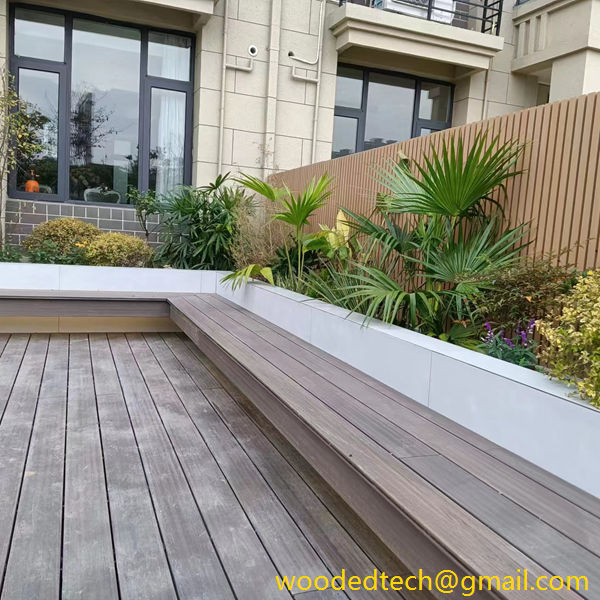
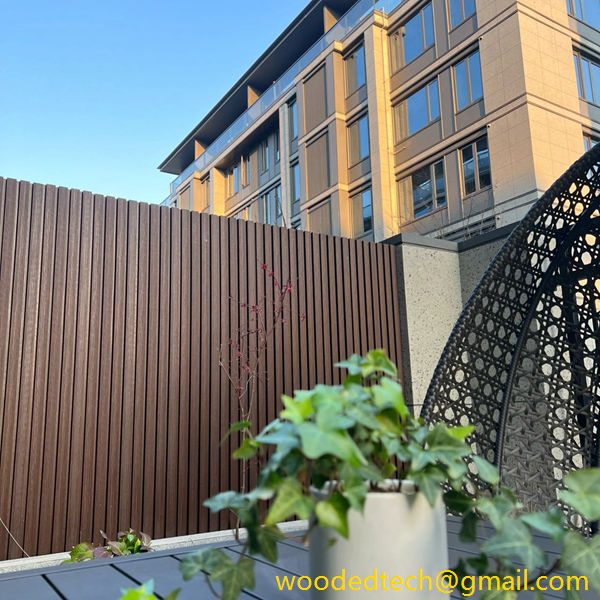
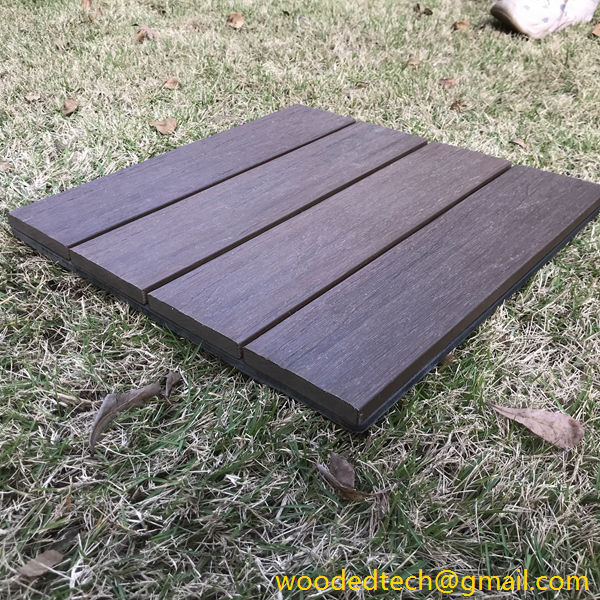
وأخيرًا، توفر الألواح المركبة، التي تجمع بين مواد مثل الخشب والبلاستيك، مزيجًا فريدًا من الجماليات والوظائف. تتضمن عملية الإنتاج عادةً الجمع بين ألياف الخشب المعاد تدويرها والبوليمرات البلاستيكية، مما ينتج عنه مادة مقاومة للرطوبة والبهتان والحشرات. يمكن للألواح المركبة أن تحاكي مظهر الخشب الطبيعي مع توفير متانة معززة ومتطلبات صيانة أقل. وهي متوفرة بألوان وتشطيبات مختلفة، مما يجعلها مناسبة لمجموعة كبيرة من أنماط التصميم.
يمكن أن يؤثر اختيار ألواح الجدران الخارجية بشكل كبير على المظهر العام والأداء العام للمساحات الخارجية. يمكن أن يساعد فهم المواد وعمليات الإنتاج التي ينطوي عليها كل نوع من هذه الألواح أصحاب المنازل والمصممين على اتخاذ قرارات مستنيرة تلبي تفضيلاتهم الجمالية واحتياجاتهم العملية. سواء اخترت الجمال الطبيعي للخشب، أو الجاذبية العصرية للمعدن، أو متانة الأسمنت الليفي، فهناك مجموعة واسعة من الخيارات المتاحة لتحسين أي بيئة خارجية. لا يؤدي الاستثمار في ألواح الجدران الخارجية المناسبة إلى تحسين المظهر الخارجي للعقار فحسب، بل يساهم أيضاً في إطالة عمره واستدامته.