 العربية
  English
  Español
  Français
  Português
  Deutsch
  Italiano
  Русский
  简体中文
简体中文  香港中文
香港中文  한국어
한국어  日本語
日本語  Türkçe
  Nederlands
  Bahasa Indonesia
 دور المعامل المرنة في التزيين المركب
عند اختيار المواد للتطبيقات في الهواء الطلق ، وخاصة التزيين ، فإن فهم المعامل المرن لمواد سطح السفينة المركبة أمر حيوي.يقيس المعامل المرن صلابة المادة وقدرتها على التشوه تحت الضغط.يشير المعامل المرن الأعلى إلى منتج أقوى وأكثر استقرارًا يمكنه تحمل الأحمال التي تتم مواجهتها عادةً في الإعدادات الخارجية.بالنسبة لأولئك الذين يفكرون في المواد البلاستيكية الخشبية (WPC) ، تصبح هذه الخاصية ذات أهمية قصوى ، حيث تتعرض هذه المواد في كثير من الأحيان لتحديات بيئية مختلفة.
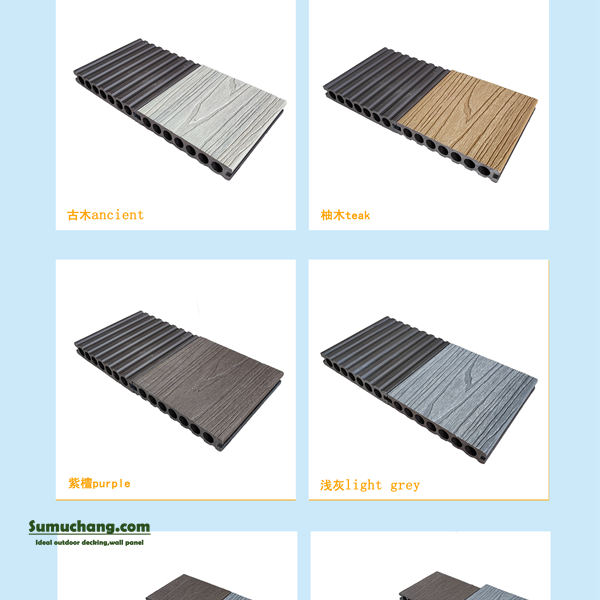
تعمل تقنية كابستوك المشتركة على النتوء بشكل كبير على تعزيز أداء التزيين المركب ، مما يساهم في معامل مرونة متفوق مقارنة بالمنتجات غير المغطاة من الجيل الأول.ينتج عن هذا التقدم التكنولوجي منتج لا يوفر فقط قدرًا أكبر من السلامة الهيكلية ولكن يوفر أيضًا مرونة معززة ضد البلى والتلف في الهواء الطلق.
فوائد البثق المشترك كابستوك التكنولوجيا
القشرة الخارجية الواقية من التزيين المركب المشترك يخدم وظائف متعددة.دورها الأساسي هو مقاومة البقع والخدوش ، وضمان بقاء السطح جذابًا بصريًا على الرغم من حركة المرور الكادحة على الأقدام والتعرض للعناصر.على عكس المركبات غير المغطاة ، التي يمكن أن تمتص الرطوبة وتتحمل الضرر من الأشعة فوق البنفسجية ، يعمل الكابستوك كحاجز ، مما يحافظ على جماليات ووظائف التزيين بمرور الوقت.
هذه التكنولوجيا أيضا تحارب العفن والعفن، والخصوم المشتركة في البيئات الخارجية.تم تصميم الطبقة الخارجية لمنع تسلل الرطوبة ، وبالتالي تقليل احتمالية النمو الفطري الذي يمكن أن يضر بالقوة الهيكلية والمظهر.مع انخفاض امتصاص الرطوبة ، يظل المعامل المرن مستقرًا ، مما يضمن أداءً ثابتًا حتى في الظروف المعاكسة.
مقارنة الخصائص المرنة لأنواع التزيين WPC
غالبًا ما يكافح الجيل الأول من التزيين غير المقيد بـ WPC مع طول العمر بسبب قابليته للعوامل البيئية.هذا يؤدي إلى معامل مرونة أقل ، مما يشير إلى أن المادة يمكن أن تتشوه أو تفشل تحت ضغط عال.في المقابل ، فإن المعامل المرن المعزز لمنتجات الكابستوك المشتركة يسمح لهم بالتعامل مع أحمال أكبر دون تشوه دائم.وهذا التمييز ضروري للمشاريع التجارية أو المساحات السكنية ذات المرور المرتفع، حيث تكون المتانة ذات أهمية قصوى.
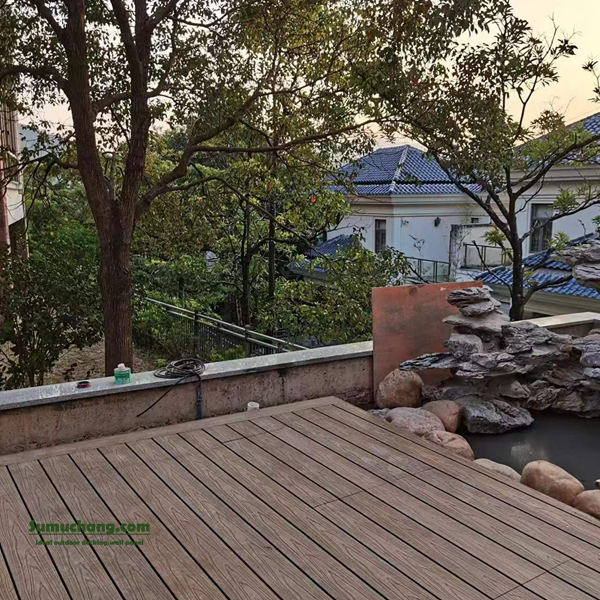
يؤثر المعامل المرن لمواد سطح السفينة المركبة أيضًا على إمكانيات التصميم.يمكن للمهندسين المعماريين والبناة إنشاء هياكل ليست فقط ممتعة من الناحية الجمالية ولكن أيضًا سليمة من حيث الأداء.تعد القدرة على الحفاظ على السلامة الهيكلية بمرور الوقت ميزة كبيرة لأولئك الذين يستثمرون في مساحات المعيشة الخارجية.
الأداء تحت الضغط البيئي
يمكن أن تؤثر تقلبات الطقس بشكل كبير على أداء المواد الخارجية.التزيين المركب مع معامل مرونة عالية هو أقل عرضة للتشويه أو تشقق تحت تغيرات درجة الحرارة.يعد هذا الاستقرار أمرًا بالغ الأهمية للحفاظ على السلامة وسهولة الاستخدام في الأماكن الخارجية ، حيث يتوقع المستخدمون الموثوقية تحت أقدامهم.
تساعد طبقة الكابستوك أيضًا في التخفيف من المشكلات المتعلقة بتلاشي الألوان ، وهو اهتمام شائع للغاية بمواد التزيين القياسية.تضمن الحماية من الأشعة فوق البنفسجية التي يوفرها السطح المشترك المقذوف أن يظل اللون نابضًا بالحياة لسنوات ، مما يحافظ على الاستثمار الأولي.ونتيجة لذلك، تتطلب هذه المنتجات الحد الأدنى من الصيانة، مما يسمح لأصحاب المنازل ومديري العقارات التجارية للاستمتاع بمساحاتهم في الهواء الطلق دون عبء الصيانة المتكررة.
قيمة طويلة الأجل للتزيين المركب المتقدم
الاستثمار في التزيين المركب مع معامل مرونة عالية يوفر قيمة طويلة الأجل تمتد إلى ما هو أبعد من الجاذبية الجمالية.وتسهم الطبيعة المعززة المتانة والخالية من الصيانة للمنتجات المقذوفة في تحقيق وفورات في التكاليف الإجمالية.ويترجم انخفاض احتياجات الاستبدال والإصلاح إلى نفقات أقل مع مرور الوقت، مما يجعله خياراً سليماً اقتصادياً لكل من التطبيقات السكنية والتجارية.
علاوة على ذلك ، لا يمكن إغفال الفوائد البيئية للمركبات البلاستيكية الخشبية.ومن خلال استخدام المواد المعاد تدويرها في عملية التصنيع، تساهم هذه المنتجات في جهود الاستدامة.عندما يصبح المستهلكون أكثر وعيًا بالبيئة ، فإن اختيار التزيين المركب المتقدم يتماشى مع الأهداف البيئية الأوسع دون التضحية بالجودة أو الأداء.