 العربية
  English
  Español
  Français
  Português
  Deutsch
  Italiano
  Русский
  简体中文
简体中文  香港中文
香港中文  한국어
한국어  日本語
日本語  Türkçe
  Nederlands
  Bahasa Indonesia
 الفوائد البيئية لتزيين WPC المركب
تبرز التزيين المركب WPC في قطاع مواد البناء لسماته الصديقة للبيئة ، مما يجعله خيارًا شائعًا بشكل متزايد للمساحات الخارجية.واحدة من أهم مزايا هذه المادة المبتكرة هي تكوينها.مصنوع من مزيج من الألياف الخشبية المعاد تدويرها والبلاستيك ، يستخدم التزيين WPC المواد التي من شأنها أن تساهم في نفايات مدافن النفايات.لا تساعد عملية إعادة التدوير هذه فقط في تخفيف التأثير البيئي لمصادر الخشب التقليدية فحسب ، بل تقلل أيضًا من الطلب على الأخشاب البكر ، والتي غالبًا ما يتم حصادها بشكل غير مستدام.ونتيجة لذلك ، فإن التزيين المركب ل WPC هو خيار مسؤول بيئياً ، يجذب المستهلكين والبنائيين الواعيين للبيئة على حد سواء.
وعلاوة على ذلك، فإن انخفاض استهلاك الأخشاب يسهم إسهاما كبيرا في جهود حفظ الغابات.باستخدام مواد WPC ، يمكن لصناعة البناء والمساعدة في الحفاظ على النظم الإيكولوجية الطبيعية والتنوع البيولوجي.ويعكس هذا التحول نحو مواد بناء أكثر استدامة التزاماً أوسع نطاقاً بالإشادة البيئية، التي يتم الاعتراف بها بشكل متزايد كضرورة في ممارسات البناء الحالية.
متانة وطول عمر WPC التزيين
المتانة هي ميزة مقنعة أخرى للتزيين WPC المركب.على عكس الخشب التقليدي ، المعرض للتعفن ، والتشويه ، وتلف الحشرات ، تم تصميم التزيين WPC لتحمل العناصر.مقاومتها للتلاشي ، والانشقاق ، والتآكل تضمن أنها تحافظ على جاذبيتها الجمالية وسلامتها الهيكلية بمرور الوقت.هذا طول العمر يعني أن أصحاب المنازل والشركات يمكنهم الاستمتاع بمساحاتهم الخارجية دون القلق المستمر من الصيانة ، مما يجعل WPC خيارًا اقتصاديًا على المدى الطويل.
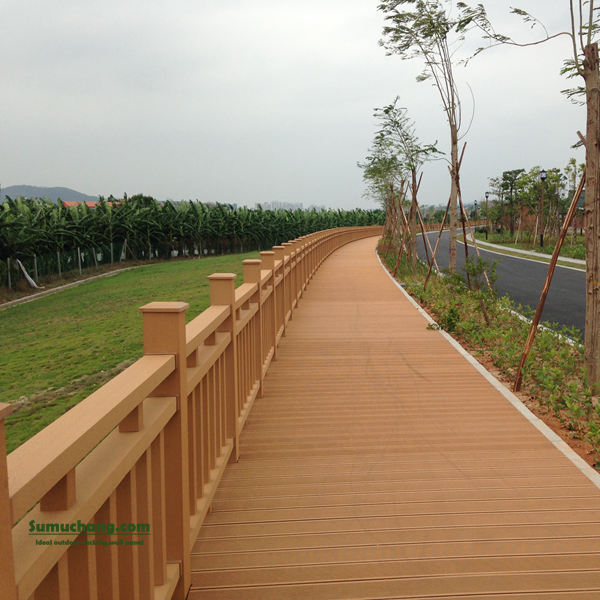
تم تصميم المواد المستخدمة في التزيين WPC المركب لتحمل الظروف الجوية القاسية ، من أشعة الشمس الشديدة إلى هطول الأمطار الغزيرة.وتترجم هذه المتانة إلى عدد أقل من عمليات الاستبدال والإصلاح، مما يسهم بشكل أكبر في تحقيق صورتها الصديقة للبيئة من خلال الحد من النفايات.من خلال الاستثمار في التزيين WPC ، يمكن لمالكي العقارات الاستمتاع بجمال مناطقهم الخارجية دون المساومة على الاستدامة.
متطلبات صيانة منخفضة
واحدة من الجوانب الأكثر جاذبية من التزيين WPC المركب هو طبيعتها منخفضة الصيانة.يتطلب التزيين الخشبي التقليدي علاجات منتظمة ، مثل الختم والتلوين والرسم ، للحفاظ على مظهره ووظائفه.في المقابل ، يتطلب التزيين WPC الحد الأدنى من التصام.غالبًا ما يكون الغسيل البسيط بالماء والصابون كافيًا لإبقائه يبدو جديدًا.هذه السهولة في الصيانة لا توفر الوقت والجهد فحسب ، بل تلغي أيضًا الحاجة إلى المواد الكيميائية القاسية المستخدمة عادة في العناية التقليدية بالخشب.ومع زيادة وعي المستهلكين بالجذب الكيميائي وتأثيره على البيئة، تصبح خيارات WPC منخفضة الصيانة أكثر جاذبية.
وعلاوة على ذلك، فإن انخفاض الطلب على مواد وعمليات الصيانة يتماشى مع الممارسات المستدامة.يمكن لأصحاب المنازل حماية الممرات المائية والتربة من الملوثات الكيميائية، مما يساهم في بيئة أكثر صحة.تسمح الطبيعة طويلة الأمد لتزيين WPC المركب بمساحة خارجية جميلة تتطلب اهتمامًا أقل بكثير من المواد التقليدية.
فعالية التكلفة من التزيين WPC المركب
في حين أن الاستثمار الأولي للتزيين مركب WPC قد يكون أعلى من خيارات الخشب التقليدية ، فإن الوفورات طويلة الأجل جديرة بالملاحظة.تعني المتانة ومتطلبات الصيانة المنخفضة أن مالكي العقارات سينفقون أقل على الإصلاحات والاستبدالات على مدى عمر التزيين.بالإضافة إلى ذلك، تساهم الطاقة والموارد الموفرة من الحد الأدنى من الصيانة في خفض التكاليف البيئية الإجمالية، مما يجعل هذا الخيار معقولاً من الناحية المالية ومستداماً.
عند تقييم فعالية التكلفة للتزيين المركب لـ WPC ، من الضروري مراعاة العمر وفوائد الأداء.إن طول عمر مواد WPC ، جنبًا إلى جنب مع مزاياها البيئية ، يضعها كخيار ذكي للتطبيقات السكنية والتجارية.يمكن للبنائين والمهندسين المعماريين أن يوصيوا بثقة بتزيين WPC ، مع العلم أنه يلبي الطلب المتزايد على الاستدامة دون المساس بالجودة.
مرونة التصميم والجاذبية الجمالية
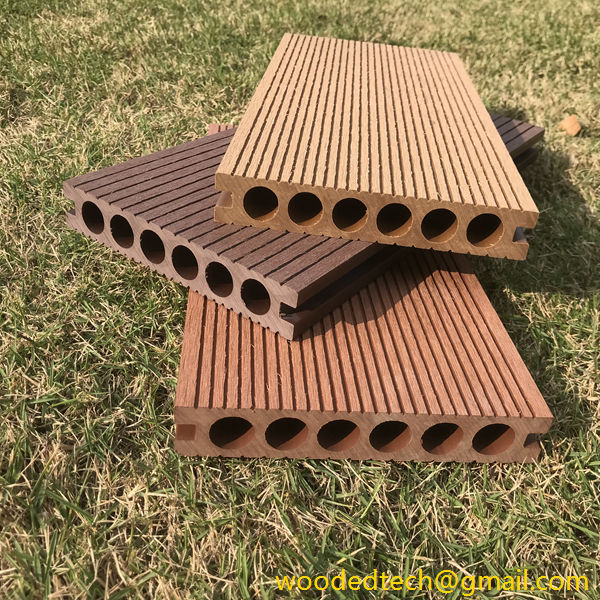
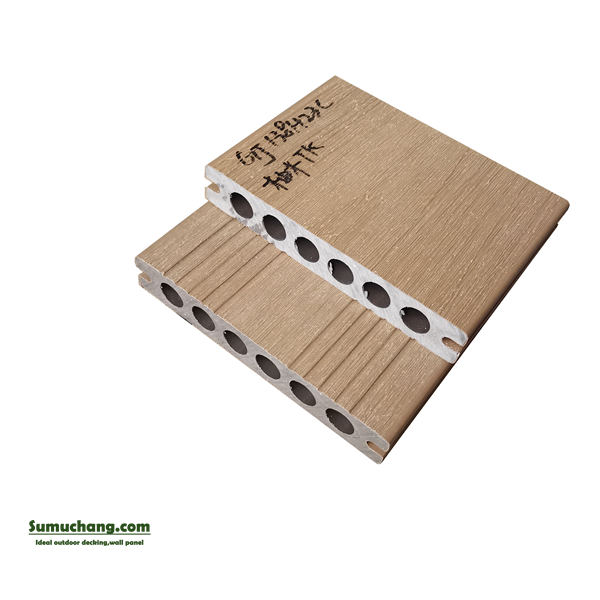
ميزة أخرى من التزيين WPC مركب يكمن في تنوعها وجاذبيتها الجمالية.متوفر في مجموعة من الألوان والقوام والتشطيبات ، يمكن أن يحاكي التزيين WPC مظهر الخشب الطبيعي مع توفير خصائص أداء فائقة.تتيح مرونة التصميم هذه للمهندسين المعماريين والمصممين إنشاء بيئات خارجية مذهلة تتوافق مع الاتجاهات الجمالية الحديثة مع الحفاظ على الالتزام بالاستدامة.
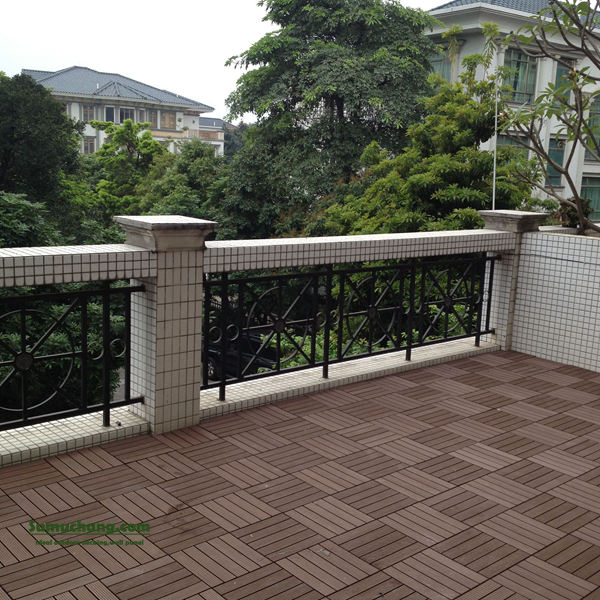
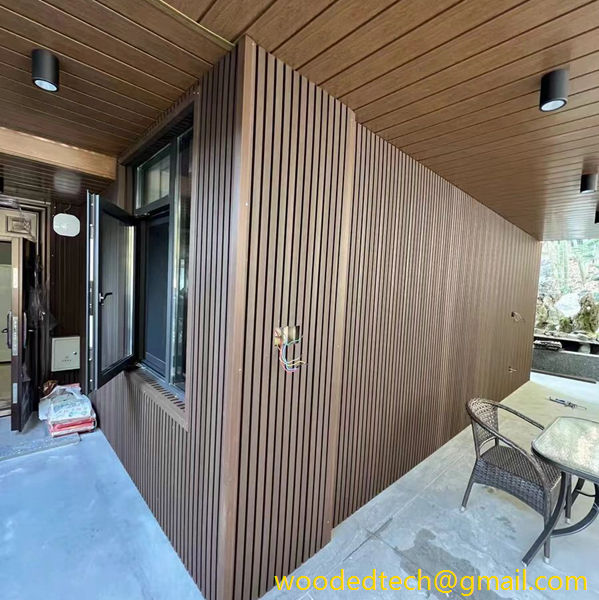
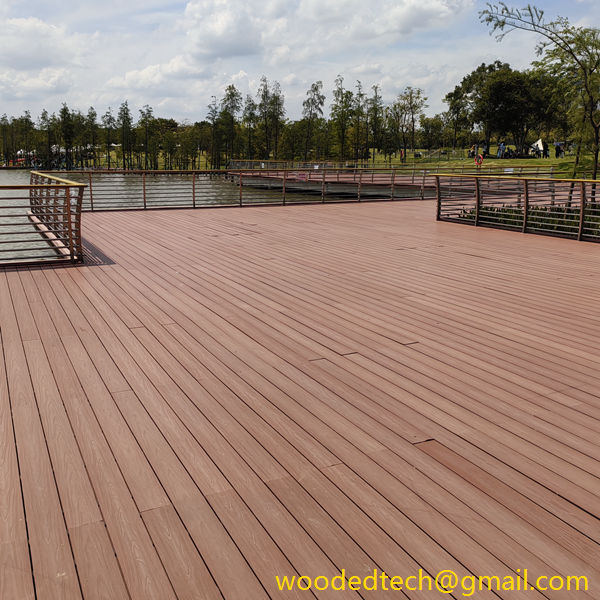
سواء كان فناءً أنيقًا أو معاصرًا أو ممشى حديقة ريفي ، يمكن تصميم التزيين WPC لتناسب مختلف الأنماط والتفضيلات.تمتد هذه القدرة على التكيف إلى ما هو أبعد من الجماليات ، حيث يمكن استخدام WPC في العديد من التطبيقات ، بما في ذلك المدرجات والشرفات وطوابق المسبح.إن قدرتها على تلبية احتياجات التصميم المتنوعة تجعل من التزيين المركب WPC موردًا لا يقدر بثمن في ساحة مواد البناء المستدامة.
خيار مستدام للأجيال القادمة
ومع استمرار تطور صناعة البناء، فإن التركيز على المواد المستدامة سيزداد قوة.يمثل التزيين المركب ل WPC خطوة مهمة نحو ممارسات بناء أكثر مسؤولية من الناحية البيئية.من خلال اختيار المواد التي ليست فقط دائمة ومنخفضة الصيانة ولكن أيضا مستمدة من الموارد المعاد تدويرها، والبنائين وأصحاب المنازل تساهم في مستقبل أكثر استدامة.
إن دمج التزيين WPC في المشاريع الخارجية لا يعزز جمال ووظائف المساحات فحسب ، بل يدعم أيضًا الأهداف البيئية الأوسع.مع زيادة الوعي والطلب على مواد البناء المستدامة ، سيستمر التزيين المركب لـ WPC في لعب دور محوري في تحويل كيفية تعاملنا مع البناء في الهواء الطلق.إن احتضان هذه المواد ليس مجرد اتجاه؛ بل هو التزام بالحفاظ على كوكبنا للأجيال القادمة.