 English
  Español
  Français
  Português
  Deutsch
  Italiano
  Русский
  العربية
  简体中文
简体中文  香港中文
香港中文  한국어
한국어  日本語
日本語  Türkçe
  Nederlands
  Bahasa Indonesia
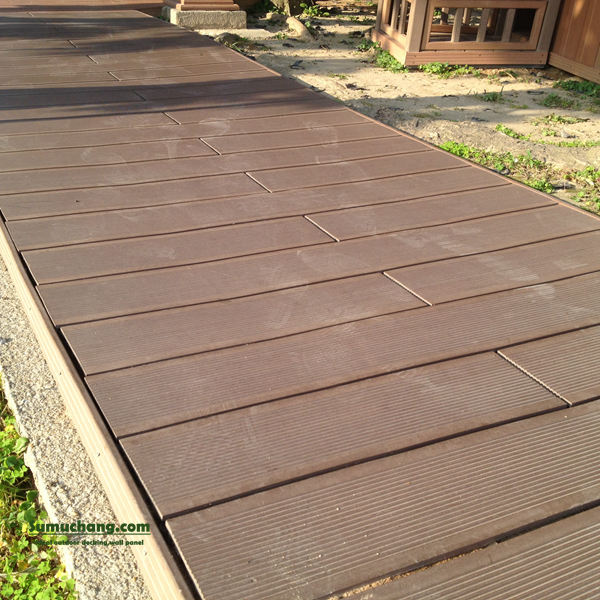
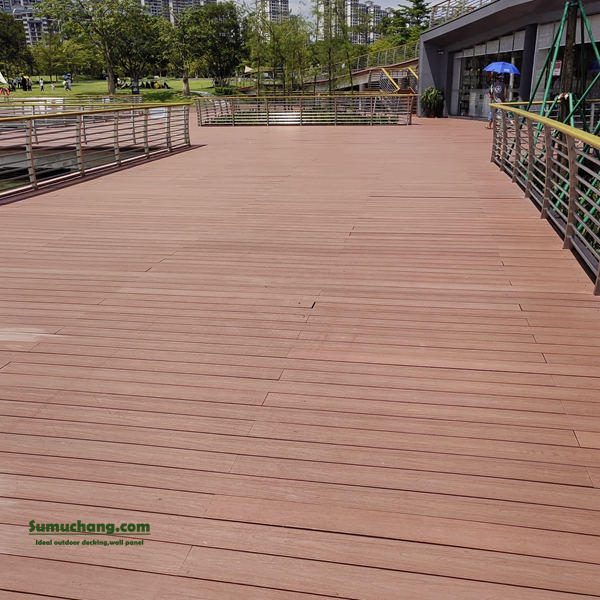
 Attaching composite decking directly on concrete is an increasingly popular choice for homeowners looking to enhance their outdoor spaces with minimal hassle. This method simplifies the installation process while providing a durable and aesthetically pleasing surface. Understanding the key aspects of installation and maintenance can significantly impact the longevity and appearance of the decking.
The first step in the installation process is to prepare the concrete surface. This involves ensuring that the concrete is clean, dry, and free of any debris or contaminants such as oil or grease. Any cracks or imperfections should be repaired to create a smooth foundation for the composite decking. It is essential to allow any repair materials to cure completely before proceeding with the installation. A well-prepared surface is crucial, as it directly affects the adhesion and stability of the decking.
Once the concrete surface is ready, the next step is to choose the right type of composite decking. Composite decking materials come in various colors and textures, allowing homeowners to select the style that best complements their outdoor environment. It is advisable to select products that are specifically designed for direct installation on concrete, as these materials often feature enhanced moisture resistance and durability.
Before attaching the decking, consider using a moisture barrier. A moisture barrier acts as a protective layer between the concrete and the composite boards, preventing moisture from seeping through and causing potential damage. This step is particularly important in areas that experience frequent rain or humidity, as moisture can lead to mold and mildew growth, which can compromise the integrity of the decking.
 When it comes to the attachment process, there are several methods to consider. One common approach is to use construction adhesive designed for outdoor use. This adhesive can provide a strong bond between the composite boards and the concrete surface. Alternatively, some homeowners may opt for mechanical fasteners such as screws or clips. If using screws, it is crucial to select corrosion-resistant options to prevent rust and deterioration over time. Regardless of the method chosen, ensure that the boards are spaced adequately to allow for expansion and contraction due to temperature changes.
After the composite decking is secured in place, it is essential to conduct regular maintenance to preserve its appearance and functionality. One of the primary benefits of composite decking is its resistance to fading, staining, and rotting, which significantly reduces the maintenance requirements compared to traditional wood decking. However, periodic cleaning is still necessary to remove dirt, debris, and any organic material that may accumulate.
For routine cleaning, a simple solution of mild soap and water can be effective in maintaining the surface of the decking. A soft-bristle broom or a pressure washer set to a low setting can help dislodge dirt without damaging the composite material. It is crucial to avoid harsh chemicals or abrasive cleaning tools, as these can lead to surface damage or discoloration.
In addition to regular cleaning, it is advisable to inspect the decking periodically for signs of wear or damage. While composite decking is designed to withstand various environmental conditions, it is not entirely immune to wear and tear. Look for loose boards, cracks, or any signs of deterioration that may indicate the need for repairs. Addressing these issues promptly can prevent more significant problems in the future and extend the life of the decking.

Another aspect of maintenance involves protecting the decking from heavy furniture or equipment. While composite materials are durable, placing heavy items directly on the surface can create indentations or scratches over time. Using protective pads or coasters under furniture legs can help distribute weight more evenly and minimize the risk of damage.
Lastly, consider the surrounding environment when planning for maintenance. In areas with heavy foliage, leaves and debris can accumulate on the decking surface, leading to potential moisture retention and mold growth. Regularly clearing away debris and ensuring proper drainage around the decking can help mitigate these risks, maintaining both the appearance and integrity of the outdoor space.
Attaching composite decking directly on concrete offers an efficient and straightforward installation process, making it an attractive option for many homeowners. By following proper installation techniques and committing to regular maintenance, individuals can enjoy a beautiful, durable outdoor decking solution that stands the test of time. This approach not only enhances the functionality of outdoor spaces but also contributes to their overall aesthetic appeal.