 English
  Español
  Français
  Português
  Deutsch
  Italiano
  Русский
  العربية
  简体中文
简体中文  香港中文
香港中文  한국어
한국어  日本語
日本語  Türkçe
  Nederlands
  Bahasa Indonesia
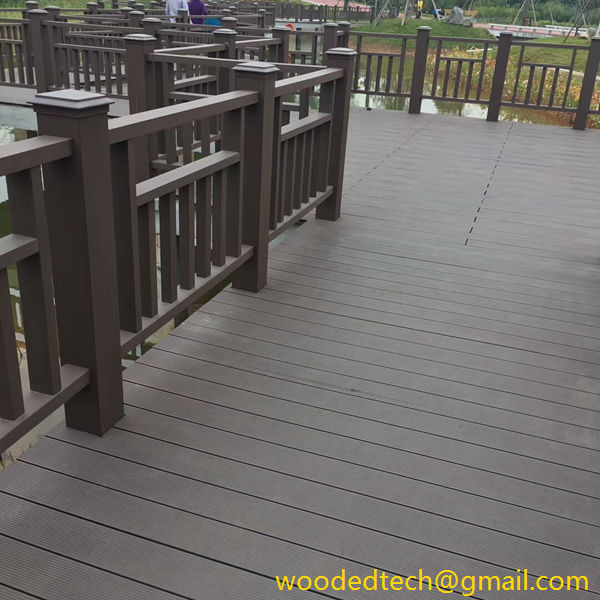
 Composite decking has become an increasingly popular choice for homeowners seeking to enhance their outdoor spaces. This innovative material combines the durability of wood with the low maintenance of synthetic materials, creating a product that is both functional and aesthetically pleasing. The incorporation of railings adds an additional layer of safety and style, making composite decks an ideal solution for various residential applications.
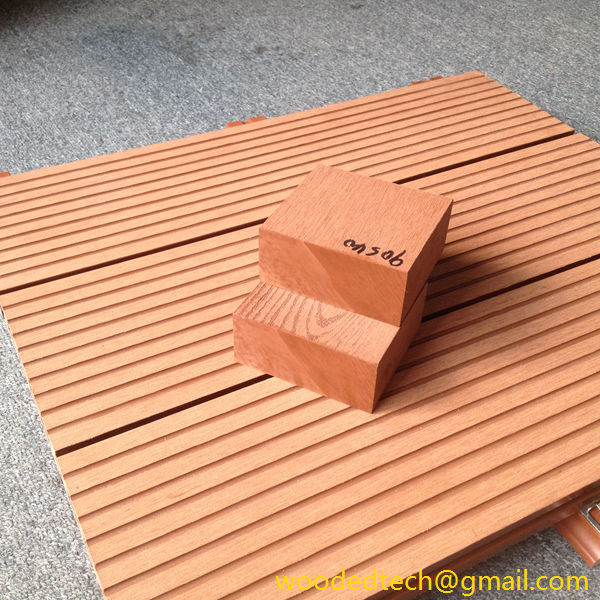
The production process of composite decking involves the careful selection and blending of raw materials. Typically, composite decking is made from a combination of recycled wood fibers and plastic. The wood fibers are often sourced from post-industrial waste, such as sawdust and wood shavings, which are then processed to create a consistent and high-quality material. This not only promotes sustainability by reducing waste but also provides a unique texture that mimics the appearance of natural wood.
The plastic component, often made from recycled polyethylene or polypropylene, is added to enhance the durability and weather resistance of the product. This combination of wood and plastic is then mixed with additives that improve performance characteristics such as UV resistance and mold prevention. The formulation is critical, as it determines the final properties of the composite decking, including its color, texture, and structural integrity.
Once the materials are prepared, the production process continues with the extrusion phase. During this stage, the blended mixture is heated and forced through a mold to create long, continuous boards. The extrusion process not only shapes the decking but also ensures that the materials are evenly distributed, which is vital for achieving consistent quality. After extrusion, the boards are cooled and cut to the desired lengths, ready for further processing.

The surface finish is an important aspect of composite decking production. Manufacturers often employ various techniques to achieve different textures and colors. Some products are embossed with patterns that mimic the grains of natural wood, while others may have a smooth finish for a more contemporary look. This versatility in design allows homeowners to choose a composite deck that complements their style and enhances the beauty of their outdoor spaces.
Adding railings to composite decks serves both functional and aesthetic purposes. Railings provide a safety barrier that is essential for decks that are elevated off the ground. They help prevent accidental falls, especially for families with children or pets. Additionally, railings offer an opportunity to enhance the visual appeal of the deck. Composite railings can be designed in a variety of styles, colors, and heights, allowing for customization that matches the overall design theme of the home.
The production of composite railings follows a similar process to that of composite decking. The materials used are often the same, combining wood fibers and recycled plastics. However, railings may incorporate additional structural elements to ensure they meet safety standards. This includes the use of sturdy posts and balusters that provide stability and support, ensuring that the railings can withstand the forces exerted on them.

Another important consideration in the production process is the environmental impact of composite materials. Many manufacturers prioritize sustainability by using recycled materials and minimizing waste during production. The longevity of composite decking and railings also contributes to environmental conservation, as they do not require frequent replacement like traditional wood products. This durability means that fewer resources are consumed over time, further reducing the carbon footprint associated with outdoor living spaces.
The installation of composite decks with railings is relatively straightforward, making them accessible for both professional contractors and DIY enthusiasts. The lightweight nature of the materials allows for easier handling and transportation. Additionally, composite boards are often designed with interlocking systems that simplify the installation process, ensuring a secure fit without the need for complicated tools or techniques.
The benefits of composite decking and railings extend beyond their production and installation. Homeowners appreciate the low maintenance requirements associated with these materials. Unlike traditional wood, composite decking does not require regular staining or sealing. Instead, it can be easily cleaned with soap and water, making it an ideal choice for busy families and individuals who want to enjoy their outdoor spaces without the hassle of extensive upkeep.
As composite decking continues to evolve, manufacturers are exploring new technologies and innovations to enhance their products further. This includes advancements in color retention, scratch resistance, and even the development of more environmentally friendly materials. With these ongoing improvements, composite decks with railings remain a stylish and safe choice for enhancing outdoor living spaces, combining form and function in a sustainable manner.