 English
  Español
  Français
  Português
  Deutsch
  Italiano
  Русский
  العربية
  简体中文
简体中文  香港中文
香港中文  한국어
한국어  日本語
日本語  Türkçe
  Nederlands
  Bahasa Indonesia
 Discover the Versatility of Plastic Wood Composite Sheets for Various Applications
In recent years, plastic wood composite sheets have gained significant traction in various industries due to their unique properties and advantages. These materials are composed of a blend of plastic and wood fibers, resulting in a product that combines the aesthetics of natural wood with the durability of synthetic materials. This versatility makes plastic wood composites suitable for a wide range of applications, from construction to furniture design and even outdoor installations.
One of the key factors driving the popularity of plastic wood composite sheets is the global distribution of production capacity. The manufacturing of these composites is not limited to one region; rather, it is a global endeavor. Countries such as the United States, Germany, and China have established robust production facilities that allow them to meet the growing demand for these materials. This geographical distribution of manufacturing capabilities ensures that plastic wood composites are readily available in various markets, making it easier for businesses and consumers to access them.

In addition to the production capacity, the price advantages associated with plastic wood composites are noteworthy. The cost of raw materials used in the production of these sheets is often lower than that of traditional wood products. This is particularly true when considering the rising costs of lumber due to deforestation concerns and supply chain challenges. As a result, plastic wood composites can offer a more affordable alternative for those seeking high-quality materials without the hefty price tag associated with natural wood.
Furthermore, the price advantages of plastic wood composites are complemented by their low maintenance requirements. Unlike traditional wood, which may require regular staining, sealing, or painting to maintain its appearance and structural integrity, plastic wood composites are designed to withstand the elements without extensive care. This longevity translates into cost savings over time, making them an attractive option for both residential and commercial applications.
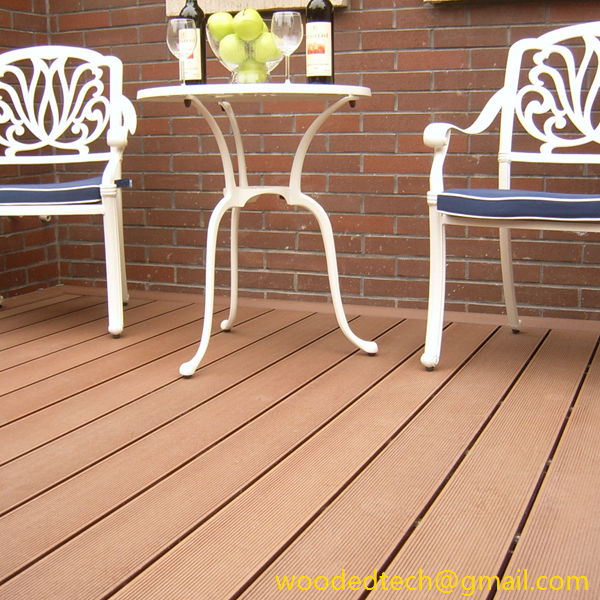
The versatility of plastic wood composite sheets is evident in their wide range of applications. In construction, these materials are becoming increasingly popular for decking, siding, and fencing. Their resistance to moisture, insects, and rot makes them ideal for outdoor use. Homeowners can enjoy the aesthetic appeal of wood without the concerns associated with traditional lumber. Additionally, plastic wood composites can be manufactured in various colors and finishes, providing endless design options that cater to diverse tastes.

In the furniture industry, plastic wood composites are being used to create stylish and durable products. From tables to benches and outdoor furniture, these materials offer a modern twist on classic designs. The ability to mold and shape plastic wood composites allows for innovative furniture solutions that can withstand heavy use while maintaining their appearance. Moreover, as sustainability becomes a growing concern for consumers, the eco-friendly nature of plastic wood composites—made from recycled materials—adds to their appeal.
Another significant application for plastic wood composite sheets is in landscaping and outdoor structures. These materials are utilized in garden beds, planters, and outdoor patios due to their resilient nature. They are not only aesthetically pleasing but also help reduce the environmental impact by utilizing recycled materials. As urban spaces continue to expand, the demand for sustainable landscaping solutions will only increase, further driving the use of plastic wood composites.
The global market for plastic wood composites continues to expand, driven by the growing awareness of sustainability and the quest for durable, low-maintenance materials. As production capacities increase and economies of scale are realized, the price advantages associated with these materials are expected to improve further. This evolution will likely lead to even greater adoption across various industries.
In conclusion, plastic wood composite sheets represent a versatile and innovative solution for a multitude of applications. With a favorable global production capacity and inherent price advantages, these materials offer an attractive alternative to traditional wood products. Their unique properties, including durability, low maintenance, and aesthetic flexibility, make them suitable for construction, furniture design, and landscaping. As the market continues to evolve, the potential for plastic wood composites is vast, promising to reshape how industries approach design and sustainability in the years to come.