 English
  Español
  Français
  Português
  Deutsch
  Italiano
  Русский
  العربية
  简体中文
简体中文  香港中文
香港中文  한국어
한국어  日本語
日本語  Türkçe
  Nederlands
  Bahasa Indonesia
 is plastic wood strong for heavy duty applications
Plastic wood, also known as composite wood or lumber, is increasingly being considered for heavy-duty applications across various industries. This innovative material is engineered from a blend of recycled plastics and wood fibers, resulting in a product that aims to combine the best features of both wood and plastic. As industries seek sustainable and durable alternatives to traditional materials, understanding the strength and performance of plastic wood in heavy-duty applications becomes essential.
One of the primary concerns when selecting materials for heavy-duty applications is strength. Plastic wood has been designed to withstand significant wear and tear, making it suitable for environments where durability is crucial. Unlike natural wood, which can be prone to warping, rotting, and insect infestations, plastic wood is highly resistant to these issues. This resistance is particularly beneficial in outdoor settings or in applications where moisture and exposure to the elements are common. The longevity of plastic wood can reduce maintenance costs and increase the overall lifespan of structures or products made from it.
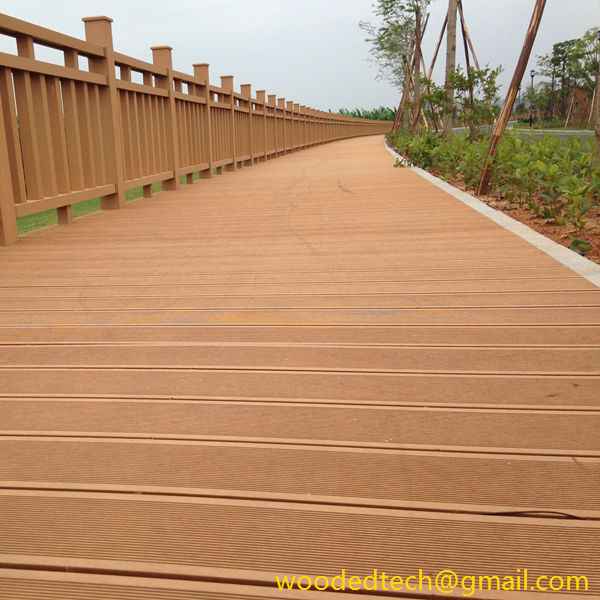
The mechanical properties of plastic wood vary depending on the specific formulation used in its production. Many manufacturers focus on creating composite products that can bear significant loads, thereby enhancing their suitability for heavy-duty applications. For instance, plastic wood can be used in constructing decks, walkways, or platforms that require substantial weight-bearing capacity. The engineering of these materials often incorporates additives that improve tensile strength, impact resistance, and overall durability, making them comparable to traditional hardwoods in specific applications.

In addition to strength, the weight of the material plays a crucial role in its application. Plastic wood is generally lighter than traditional solid wood, which can be advantageous in terms of ease of handling and installation. However, it is important to note that while the lightweight nature can be a benefit, it should not compromise the structural integrity of the application. Many manufacturers provide specifications that indicate the load-bearing capabilities of their products, enabling builders and designers to make informed decisions based on the requirements of their projects.
Another significant aspect of plastic wood is its resistance to environmental factors. For heavy-duty applications, particularly in outdoor settings, materials must endure various weather conditions without deteriorating. Plastic wood is engineered to resist fading, cracking, and splintering, which are common issues with traditional wood products. This resilience ensures that structures made from plastic wood maintain their aesthetic appeal and functional performance over time, making it an attractive choice for industries such as construction, landscaping, and outdoor recreation.
Sustainability is an increasingly important consideration in material selection, particularly in heavy-duty applications where the environmental impact can be substantial. Plastic wood is often made from recycled materials, which helps reduce waste and promote a circular economy. By choosing plastic wood, companies can align themselves with environmentally friendly practices while still obtaining a product that meets their strength and durability requirements. This shift toward sustainable materials is not just a trend but a necessity in today’s market, as consumers become more conscious of their environmental footprint.

Despite its many advantages, it is crucial to recognize that plastic wood may not be suitable for every heavy-duty application. Certain scenarios may still require traditional materials like solid hardwood or metal, particularly where specific structural properties are essential. For example, in applications where extreme load-bearing capacity is necessary, or where fire resistance is a critical concern, traditional materials may outperform plastic wood. Therefore, a thorough assessment of the application requirements and the mechanical properties of plastic wood is essential before making a material choice.
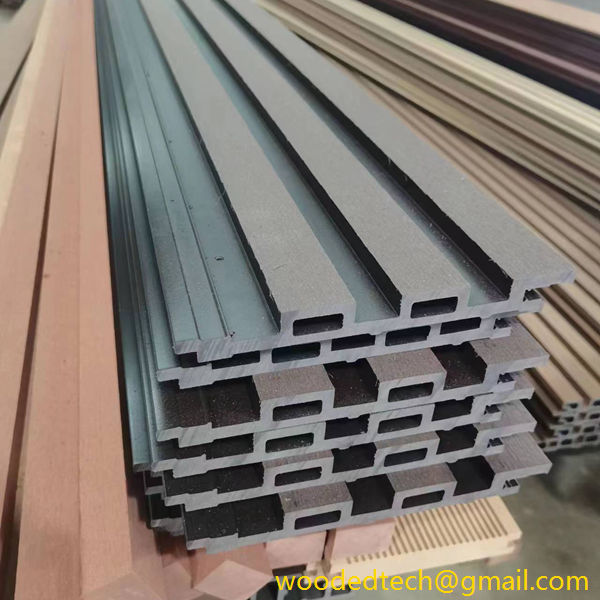
The manufacturing processes involved in creating plastic wood also play a role in determining its strength and suitability for heavy-duty applications. Advanced techniques such as extrusion and injection molding allow for precise control over the material’s properties, leading to improved performance characteristics. These processes enable the production of custom profiles and sizes that can cater to specific project needs. This versatility makes plastic wood an appealing option for a wide range of applications, from furniture to structural components.
In recent years, the market for plastic wood has expanded significantly, with many suppliers offering a variety of products designed for various applications. This growth has led to increased competition among manufacturers, resulting in innovations that enhance the performance of plastic wood. As research and development continue, it is likely that the strength and durability of plastic wood will improve even further, opening new avenues for its use in heavy-duty applications.
Ultimately, the decision to use plastic wood for heavy-duty applications should be based on a careful evaluation of the specific requirements of the project. Factors such as load-bearing capacity, environmental conditions, and desired longevity must be considered. By understanding the strengths and limitations of plastic wood, industry professionals can make informed choices that balance performance, sustainability, and cost-effectiveness. As technology advances and demand for sustainable materials grows, plastic wood is likely to play an increasingly prominent role in the construction and manufacturing sectors, providing a robust alternative to traditional materials.