 English
  Español
  Français
  Português
  Deutsch
  Italiano
  Русский
  العربية
  简体中文
简体中文  香港中文
香港中文  한국어
한국어  日本語
日本語  Türkçe
  Nederlands
  Bahasa Indonesia
 is wpc board better than plywood for construction projects
When considering materials for construction projects, the choice between WPC boards and plywood has become increasingly significant due to the evolving demands of the industry. WPC, or wood-plastic composite, has gained attention for its unique properties, while plywood remains a traditional choice with its own advantages. Analyzing the global production capacity and price advantages of both materials can provide valuable insights for making an informed decision.
The production capacity of WPC boards has seen remarkable growth in recent years. This is largely due to the increasing demand for sustainable building materials. WPC boards are made from a composite of wood fibers and plastic, which allows manufacturers to utilize recycled materials and reduce waste. Global production facilities are expanding to meet this demand, particularly in regions where environmental regulations are stringent. For instance, countries in Europe and North America have invested heavily in WPC technology, leading to a higher availability of these materials in the market.
On the other hand, plywood has long been a staple in the construction industry due to its versatility and strength. It is produced from thin layers of wood veneer, glued together to create a strong and lightweight panel. The production of plywood is well-established, with numerous manufacturers across the globe. Countries such as China, Russia, and Brazil are among the largest producers, benefiting from abundant wood resources. This widespread production ensures that plywood is readily available in various grades and thicknesses, catering to diverse construction needs.
When it comes to price advantages, plywood often has a lower initial cost compared to WPC boards. The raw materials for plywood are generally less expensive, especially in regions where timber is abundant. As a result, construction projects that operate on tight budgets may lean towards plywood to minimize expenses. Additionally, plywood is widely available, which contributes to competitive pricing in the market.
However, the long-term cost implications of choosing WPC boards should not be overlooked. While the upfront investment might be higher, WPC boards offer significant advantages in terms of durability and maintenance. They are resistant to moisture, rot, and insects, which can lead to lower maintenance costs over time. In contrast, plywood is more susceptible to these issues, especially if not properly treated. For projects that require longevity and minimal upkeep, WPC boards can prove to be a more economical choice in the long run.
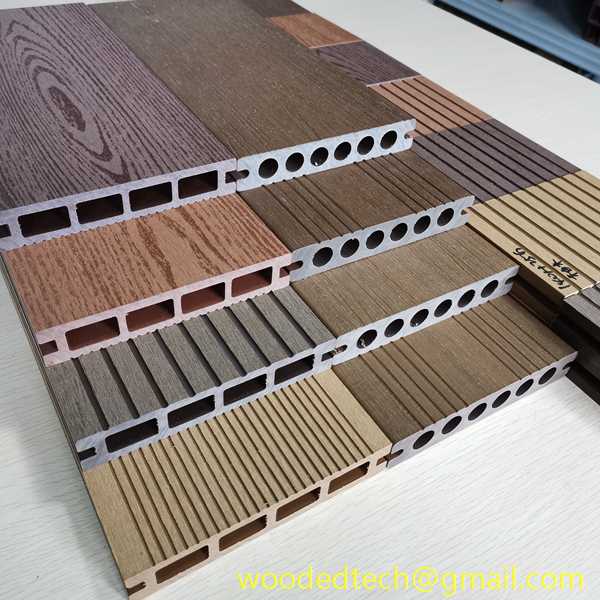
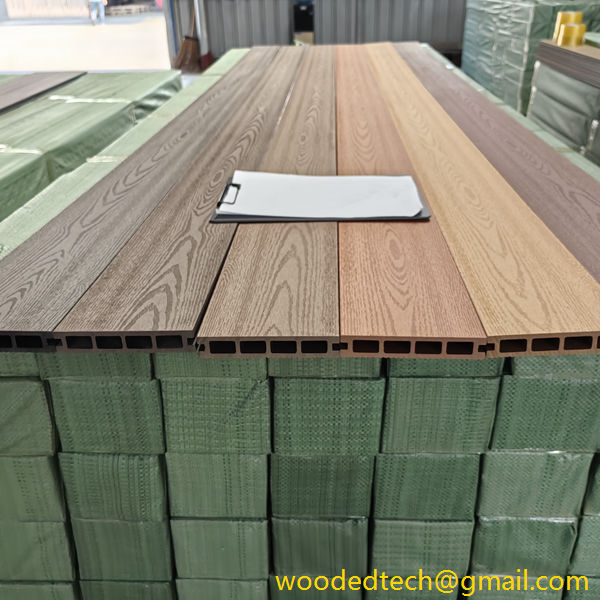
From a performance perspective, WPC boards exhibit properties that make them suitable for specific applications. For instance, they are often used in outdoor environments like decks and patios due to their resistance to weather elements. The combination of wood and plastic gives WPC boards a unique texture and appearance, making them aesthetically pleasing for architectural designs. Additionally, their lightweight nature makes them easier to handle and install, which can save labor costs during construction.

Plywood, while strong and versatile, may not perform as well in environments exposed to high moisture levels. Its susceptibility to warping and delamination can compromise structural integrity over time. Therefore, in projects where water exposure is a consideration, WPC boards may offer a more reliable option.
Another factor to consider is the environmental impact of both materials. WPC boards are often marketed as eco-friendly alternatives, as they utilize recycled plastics and reduce the demand for virgin wood. This aligns with the growing trend in the construction industry towards sustainable building practices. Conversely, plywood production can lead to deforestation if not sourced responsibly. However, plywood can also be obtained from sustainably managed forests, which mitigates some of the environmental concerns associated with its production.

The choice between WPC boards and plywood ultimately depends on the specific requirements of a construction project. Factors such as budget, intended use, and environmental considerations should guide decision-making. For projects that prioritize sustainability and long-term durability, WPC boards may provide significant advantages. Conversely, for budget-conscious projects where traditional materials suffice, plywood remains a reliable and cost-effective option.
As the construction industry continues to evolve, the demand for innovative materials will likely increase. Both WPC boards and plywood have their merits, and understanding their global production capacities and price dynamics can aid in selecting the most appropriate material for any given project. The ongoing advancements in manufacturing processes and material technology will further shape the landscape of construction materials, leading to more informed choices in the future.