 العربية
  English
  Español
  Français
  Português
  Deutsch
  Italiano
  Русский
  简体中文
简体中文  香港中文
香港中文  한국어
한국어  日本語
日本語  Türkçe
  Nederlands
  Bahasa Indonesia
 عند الشروع في مشروع التزيين بالألواح الخشبية، تُعد التقديرات الدقيقة أمراً بالغ الأهمية لضمان الالتزام بالميزانية وكفاءة المواد. اكتسب التزيين المركب شعبية بسبب متانته وقلة صيانته وجاذبيته الجمالية. ومع ذلك، للاستفادة الكاملة من هذه المزايا، يجب إجراء حسابات دقيقة فيما يتعلق بكمية المواد المطلوبة. يمكن لآلة حاسبة التلبيس المركب أن تساعد بشكل كبير في تحقيق تقديرات دقيقة للمشروع من خلال مراعاة العوامل المختلفة المتأصلة في عملية إنتاج المواد.
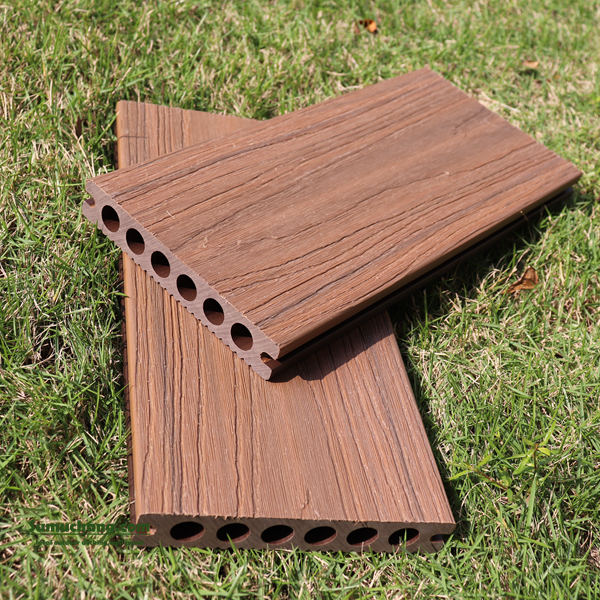
عادةً ما يتم تصنيع التلبيس المركب باستخدام مزيج من ألياف الخشب والبلاستيك، مما ينتج عنه منتج يحاكي مظهر الخشب مع تقديم مزايا البلاستيك. تتضمن عملية الإنتاج هذه عدة مراحل، بما في ذلك اختيار المواد والخلط والبثق والتشطيب. يمكن أن تؤثر خصائص المواد المختارة على المتطلبات الإجمالية للمشروع، حيث يمكن أن تختلف الدرجات المختلفة من التلبيس المركب من حيث الحجم والوزن ومساحة التغطية.
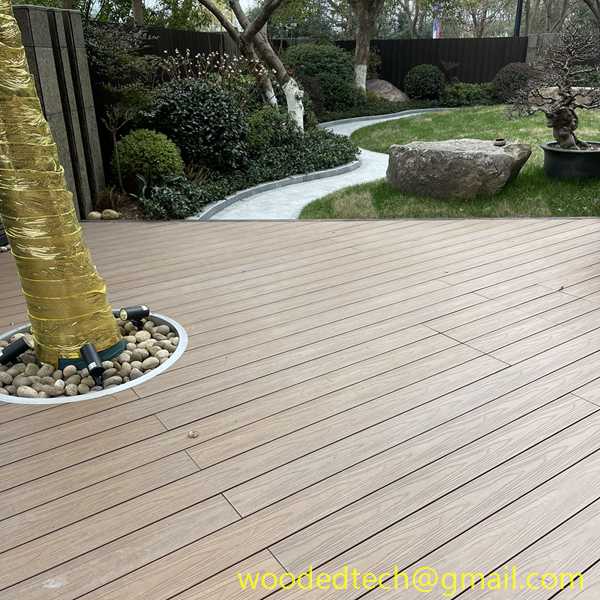
أحد الجوانب الحيوية لاستخدام حاسبة التلبيسة المركبة هو فهم أبعاد المساحة المراد تغطيتها. من الضروري إجراء قياسات دقيقة لطول وعرض مساحة التزيين. إذا كانت المساحة ذات أشكال غير منتظمة، فمن المفيد تقسيمها إلى مستطيلات أو مربعات أصغر لتبسيط العمليات الحسابية. سيحدد إجمالي المساحة المربعة كمية التزيين المركب المطلوبة. كما أن الحساب الدقيق سيقلل أيضاً من الهدر، وهو أمر مهم بشكل خاص نظراً لتكلفة المواد المركبة.
عادةً ما تتطلب حاسبة ألواح التلبيس المركب عادةً إدخال مدخلات تتعلق بأبعاد الألواح المستخدمة. تأتي ألواح التلبيس المركب بأطوال وعرض مختلفة، ويمكن أن تؤثر هذه المواصفات على عدد الألواح المطلوبة. على سبيل المثال، قد تُقلل الألواح الأطول من عدد الدرزات والمثبتات المطلوبة، مما قد يساهم في عملية تركيب أكثر انسيابية. عند اختيار الألواح، من المهم مراعاة ليس فقط أبعادها ولكن أيضًا المسافات التي سيتم استخدامها أثناء التركيب. عادةً ما تتضمن الممارسة القياسية ترك فجوات صغيرة بين الألواح للسماح بالتمدد والانكماش بسبب التغيرات البيئية.

جانب آخر يجب مراعاته هو نمط التركيب. فقد يفضل بعض أصحاب المنازل النمط التقليدي المستقيم، بينما قد يختار البعض الآخر النمط المائل أو نمط عظم السمكة المتعرج. ويؤثر نمط التركيب بشكل مباشر على كمية المواد المطلوبة، حيث أن الأنماط المائلة غالباً ما تؤدي إلى مزيد من الهدر بسبب القطع. غالباً ما يمكن للآلات الحاسبة أن تأخذ هذه الاختلافات في الحسبان، مما يساعد على تقديم تقدير أكثر تفصيلاً بناءً على النمط المختار.
يمكن للآلة الحاسبة أيضًا دمج العوامل المتعلقة بالتصميم العام للمشروع، مثل المقاعد المدمجة أو المزارعات أو السور. يمكن أن تتطلب هذه الميزات مواد إضافية، ويجب أخذ أبعادها في الحسبان في التقدير الإجمالي. من خلال تضمين هذه العناصر في الحساب، يمكن لأصحاب المنازل تجنب المفاجآت أثناء مرحلة التركيب.
بالإضافة إلى حسابات المواد، يمكن أن تساعدك حاسبة التلبيسة المركبة في تقدير المكونات الأخرى اللازمة للمشروع. ويشمل ذلك أدوات التثبيت والروافد وأي هياكل دعم إضافية قد تكون مطلوبة بناءً على حجم وتخطيط منطقة التزيين. إن فهم كميات هذه المواد أمر ضروري لضمان سلاسة عملية البناء. على سبيل المثال، يعد استخدام النوع والعدد الصحيحين من أدوات التثبيت أمرًا بالغ الأهمية لسلامة وطول عمر التلبيسة.
تلعب الاعتبارات البيئية أيضاً دوراً في اختيار مواد التزيين المركب. قد تستخدم الشركات المصنعة المختلفة طرق إنتاج ومواد مختلفة، مما قد يؤثر على استدامة المنتج وقابليته لإعادة التدوير. يتم إنتاج بعض خيارات التلبيس المركب باستخدام نسبة أعلى من المواد المعاد تدويرها، ويمكن أن يؤثر ذلك على التكلفة والأداء. عند إجراء الاختيارات، من المفيد مراعاة الآثار طويلة الأجل لهذه الخيارات على كل من البيئة والميزانية الإجمالية للمشروع.

وأخيراً، فإن استخدام حاسبة التلبيسة المركبة لا يساعد فقط في الحصول على تقديرات دقيقة ولكن يمكن أن يعزز أيضاً من كفاءة التخطيط. يمكن لأصحاب المنازل والمقاولين استخدام هذه الأدوات لتصور تخطيط التزيين وتقييم التكاليف وتبسيط عملية الشراء. من خلال إدخال القياسات الدقيقة واختيار المواد المفضلة، يمكن للمستخدمين إنشاء قائمة شاملة بالمواد اللازمة بسرعة، مما يضمن حساب جميع المكونات قبل بدء المشروع.
يعد استخدام حاسبة التلبيس المركب عنصراً أساسياً في أي مشروع تلبيس. فمن خلال تسهيل الحصول على تقديرات دقيقة بناءً على مواصفات المواد وأبعاد المساحة وأنماط التركيب والميزات الإضافية، تساعد هذه الآلات الحاسبة على ضمان بقاء المشاريع على المسار الصحيح وفي حدود الميزانية. ويؤدي هذا المستوى من الدقة في نهاية المطاف إلى نتيجة أكثر نجاحاً، مما يتيح لأصحاب المنازل الاستمتاع بمساحاتهم الخارجية لسنوات قادمة. مع التركيز على كل من الكفاءة والدقة، تُعد حاسبة التزيين المركب أداة قيمة لأي شخص يتطلع إلى تحسين تجربة المعيشة في الهواء الطلق.