Durable Plastic Floor Wood for Long Lasting Outdoor Flooring Applications

The Advantages of Plastic Floor Wood

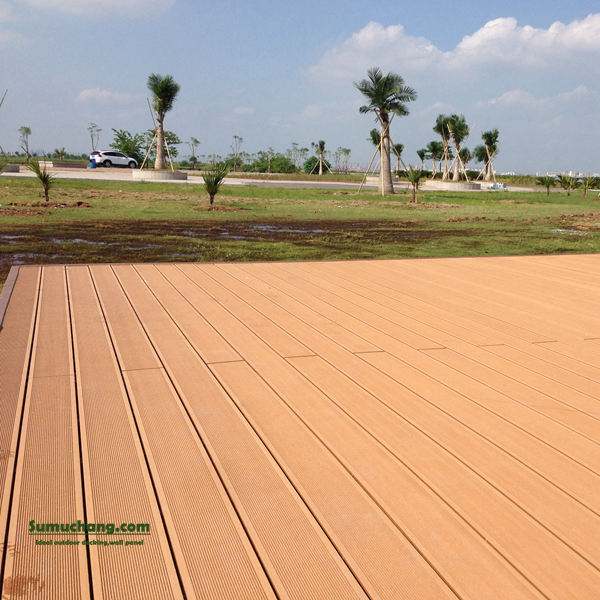
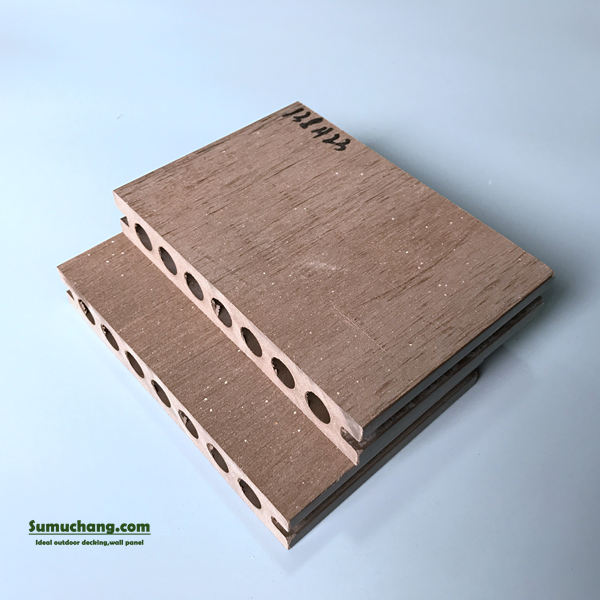
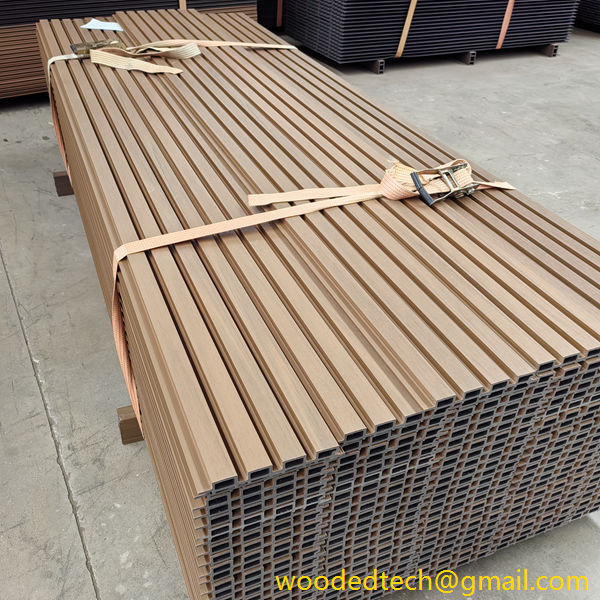
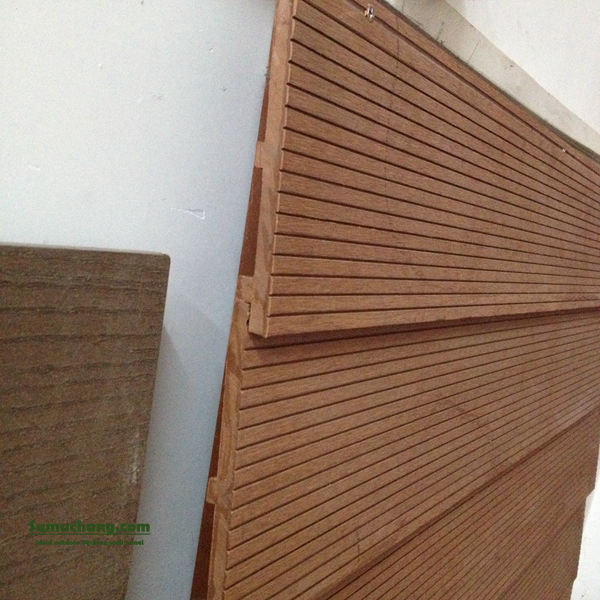
Plastic floor wood, particularly in the context of modern outdoor flooring applications, has emerged as a highly desirable alternative to traditional materials. This composite material, known for its durability and low maintenance needs, represents a significant innovation over both natural timber and earlier solid WPC options. With advancements in co-extrusion technology, capped WPC products are designed to withstand the elements while offering an aesthetically appealing finish.

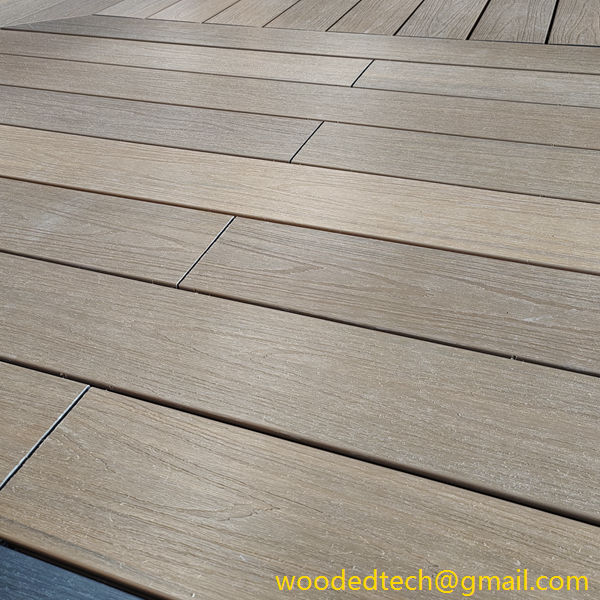
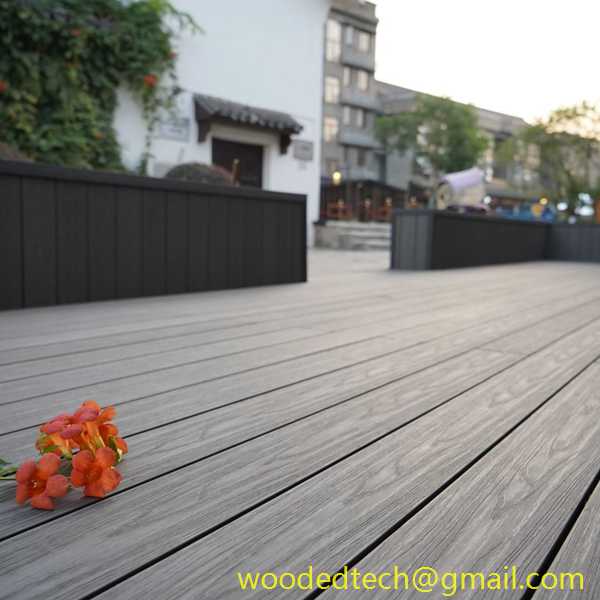
The appeal of plastic floor wood lies in its ability to mimic the appearance of natural timber without the associated drawbacks. Its resilience against weather conditions, including heavy rain and UV exposure, makes it a preferred choice for homeowners and commercial property developers alike. Unlike timber, plastic floor wood does not suffer from splintering or warping, ensuring safety and longevity.

Maintenance: A Comparison with Natural Timber

When it comes to maintenance, natural timber requires a level of care that many homeowners find burdensome. Regular treatments with stains and sealants are necessary to maintain its aesthetic appeal and integrity. This ongoing maintenance not only consumes time but also incurs additional costs throughout its lifespan. In contrast, plastic floor wood is designed to be virtually maintenance-free. A simple wash with soap and water is often sufficient to keep it looking pristine. This substantial difference not only saves time but also reduces the long-term costs associated with outdoor flooring.

Furthermore, the capped nature of modern WPC products adds an extra layer of protection against stains and moisture, which can penetrate natural wood. This feature makes plastic floor wood an excellent choice for areas prone to spills, such as near pools or outdoor kitchens.

Longevity: How Long Will It Last?

The lifespan of outdoor flooring materials is a significant factor in any investment decision. Natural timber, while initially appealing, often has a shorter lifespan than many anticipate. Factors such as rot, insect damage, and the effects of weather can drastically reduce its usability over time. In contrast, capped WPC offers a lifespan that can reach up to 25 years or more with proper care. This is largely due to its resistance to the elements and the lack of organic material that attracts pests.

Moreover, the robust construction of plastic floor wood ensures that it retains its structural integrity over the years. It does not warp or crack like timber, which can lead to costly repairs or replacements. For commercial applications where durability is paramount, this longevity translates into significant savings and peace of mind.

Splintering and Safety Concerns

Safety is a paramount concern for any outdoor space, especially for families with children or pets. Traditional timber can develop splinters over time, posing a risk of injury. Plastic floor wood eliminates this concern entirely. The smooth surface of capped WPC ensures that users can walk barefoot without fear of injury, making it an ideal choice for poolside areas and decks.

Additionally, plastic floor wood is less likely to absorb heat compared to traditional timber, making it a cooler option for outdoor spaces. This characteristic enhances comfort during hot summer days, allowing for more enjoyable use of patios and decks.

Warping: A Challenge for Traditional Materials

Warping is a common issue with natural timber, particularly in areas with fluctuating temperatures and humidity levels. Timber can expand and contract, leading to gaps and uneven surfaces. This not only affects the aesthetics but can also create hazards in high-footfall areas. Plastic floor wood, however, is engineered to resist these changes, providing a stable and uniform surface regardless of environmental conditions.

The resistance to warping is one of the standout features of capped WPC products. This stability is particularly beneficial for commercial applications, where the integrity of the flooring is critical for both safety and aesthetics. With plastic floor wood, property owners can rest assured that their investment will remain reliable for years to come.

The Real Total Value Over Time

When evaluating the total value of outdoor flooring, it is essential to consider not just the initial purchase price but also the costs associated with maintenance and potential replacement. Natural timber may seem cheaper upfront, but the ongoing expenses can accumulate, leading to a higher total cost of ownership. In contrast, while plastic floor wood may have a higher upfront cost, its durability, low maintenance requirements, and long lifespan result in significant savings over time.

This cost-effectiveness is especially relevant for commercial projects where budgets are tightly controlled. The reduced need for repairs and replacements makes plastic floor wood a wise investment in the long run, providing value that goes beyond mere aesthetics.

類似の投稿