 English
  Español
  Français
  Português
  Deutsch
  Italiano
  Русский
  العربية
  简体中文
简体中文  香港中文
香港中文  한국어
한국어  日本語
日本語  Türkçe
  Nederlands
  Bahasa Indonesia
 Composite decking has become a preferred choice for many homeowners looking to enhance their outdoor spaces, particularly when addressing expansive areas that require a durable and aesthetically pleasing solution. The appeal of composite decking lies not only in its visual appeal but also in its practical benefits. For those contemplating the installation of 16-foot composite decking boards, understanding the market applications is crucial for making an informed decision.
The market for composite decking has seen significant growth over the past few years. This surge can be attributed to various factors, including the increasing demand for sustainable building materials. Composite decking is typically made from a blend of wood fibers and plastic, making it a more environmentally friendly option compared to traditional wood. By choosing composite materials, homeowners can reduce their reliance on natural timber and contribute to forest conservation efforts. This aspect has resonated with a growing number of consumers who prioritize sustainability in their purchasing decisions.

Expansive outdoor areas, such as large decks, patios, and poolside spaces, require materials that can withstand the test of time and the elements. One of the key advantages of 16-foot composite decking is its length, which allows for fewer seams and joints. This feature not only enhances the visual continuity of large spaces but also minimizes potential weak points where water can collect and cause damage over time. Fewer seams lead to easier maintenance, as there are fewer areas to clean and treat, thereby enhancing the longevity of the deck.
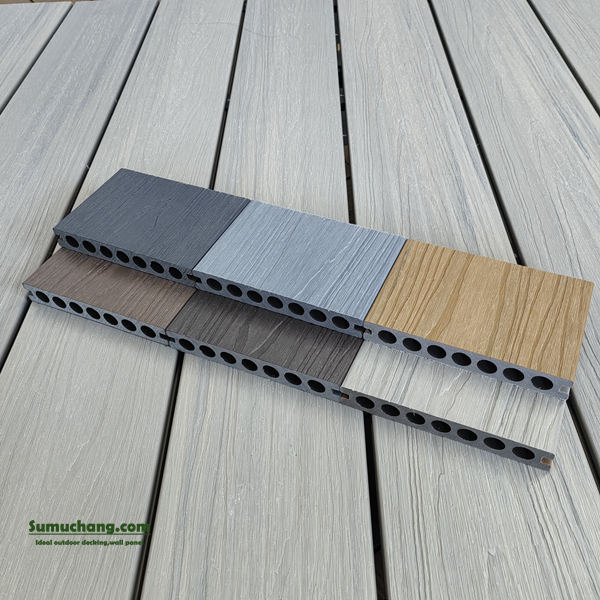
When considering the market application of composite decking, it is essential to recognize the range of styles and colors available. Homeowners can choose from various finishes that mimic the appearance of natural wood while benefiting from the superior durability of composite materials. This versatility enables consumers to create a customized look that complements the architecture of their homes and the surrounding landscape. Whether one prefers a modern aesthetic with sleek lines or a more rustic appearance, the options provided by composite decking manufacturers cater to a wide array of design preferences.
Another market consideration is the growing trend of outdoor living spaces. Expansive decks are increasingly viewed as extensions of the home, serving not only as areas for relaxation but also as venues for gatherings and entertainment. The selection of 16-foot composite decking boards can help homeowners create inviting outdoor spaces that accommodate furniture, grills, and other amenities. By investing in high-quality composite decking, property owners can enhance their outdoor functionality while ensuring that their decks remain visually appealing and structurally sound for years to come.

In terms of maintenance, composite decking offers significant advantages over traditional wood. Unlike wood, which requires regular staining, sealing, and replacement due to rot and insect damage, composite materials are designed to resist fading, staining, and warping. This reduced need for upkeep is particularly beneficial for homeowners with expansive outdoor areas who may find it challenging to devote the time and resources required for traditional wood maintenance. As a result, many consumers are drawn to composite decking because it allows them to enjoy their outdoor spaces without the burden of constant upkeep.
Cost is another critical factor when evaluating the market application of composite decking for large outdoor areas. While the initial investment may be higher than that of traditional wood, the long-term savings associated with reduced maintenance and replacement costs can make composite decking a more economical choice over time. Homeowners should consider the lifecycle costs of their decking material, factoring in not only the purchase price but also the ongoing expenses related to maintenance and potential repairs. In many cases, the durability and longevity of composite decking can provide better value in the long run.
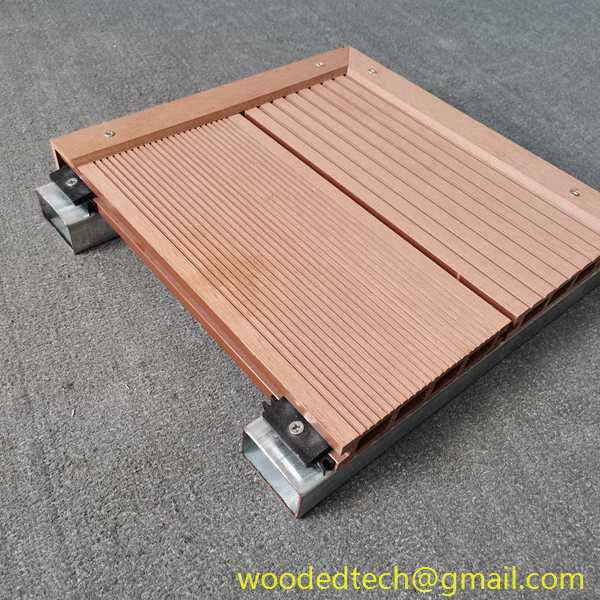
The installation process of 16-foot composite decking is also an important aspect to consider. Many manufacturers offer systems that facilitate easier installation and ensure a secure fit. This is particularly beneficial for homeowners who may choose to undertake the project themselves, as it allows for a more straightforward installation process. Professional installation services are also widely available, providing peace of mind for those who prefer to leave the work to experts. The ability to find skilled installers familiar with composite materials can further enhance the market appeal of this product.
Another market aspect to consider is the growing awareness of safety features associated with composite decking. Many composite products are designed to provide slip resistance, making them safer for use in outdoor areas that may be exposed to moisture, such as around swimming pools or in shaded sections of a yard. This focus on safety aligns well with consumer priorities, particularly for families with children or elderly individuals who may require additional precautions in outdoor settings.
As outdoor living continues to gain popularity, the demand for high-quality composite decking solutions is expected to grow. Homeowners are increasingly looking for materials that not only enhance their property but also align with their values of sustainability and practicality. The market for 16-foot composite decking is well-positioned to meet these needs, providing a versatile, durable, and aesthetically pleasing option for expansive outdoor areas. With a wide range of styles, colors, and designs available, consumers can create stunning outdoor spaces that reflect their personal taste while enjoying the numerous benefits that composite decking offers.