 Nederlands
  English
  Español
  Français
  Português
  Deutsch
  Italiano
  Русский
  العربية
  简体中文
简体中文  香港中文
香港中文  한국어
한국어  日本語
日本語  Türkçe
  Bahasa Indonesia
 Waarom kiezen voor 1×3 composiet terrasplanken
De keuze van buitenvloermaterialen heeft ingrijpende gevolgen voor zowel de esthetiek als de ecologische duurzaamheid.Onder de toonaangevende opties onderscheidt 1 × 3 composiet terrasplanken zich als een populaire keuze voor veeleisende huiseigenaren en architecten.Dit innovatieve materiaal is niet alleen ontworpen om er mooi uit te zien, maar ook ontworpen om milieuvriendelijk te zijn.De samenstelling van composiet terrasplanken omvat vaak gerecyclede kunststof en houtvezels, wat de hoeveelheid nieuw hout die nodig is bij de productie drastisch vermindert.Bijgevolg helpt het selecteren van 1×3 composiet terrasplanken bossen te behouden en bevordert het verantwoord inkopen van materialen.
Buiten zijn ethische overwegingen is de duurzaamheid van 1×3 composiet terrasplanken een aanzienlijk voordeel.Traditionele houten terrasplanken vereisen vaak frequent onderhoud, inclusief vlekken en afdichting, om de elementen te weerstaan.Daarentegen is samengesteld terrasplanken ontworpen om vervaging, kleuring en schimmelgroei te weerstaan en biedt het een langere levensduur.Deze duurzaamheid vertaalt zich in kostenbesparingen op lange termijn voor huiseigenaren en minimaliseert ook de noodzaak van vervangingen, wat resource-intensief kan zijn.
Milieuvoordelen van WPC
Hout-Plastic Composites (WPC) zijn ontstaan als een milieuvriendelijk alternatief voor traditionele buitenvloeren.De integratie van gerecycleerde materialen in het productieproces is een belangrijk punt in zijn voordeel.Vaak gemaakt van een mix van teruggewonnen houtvezels en gerecycled plastic, bewaart WPC natuurlijke hulpbronnen en leidt afval van stortplaatsen af.Dit innovatieve gebruik van bijproducten vermindert niet alleen de CO2-voetafdruk die gepaard geen productie heeft, maar helpt ook bij het duurzaam beheer van afvalmaterialen.
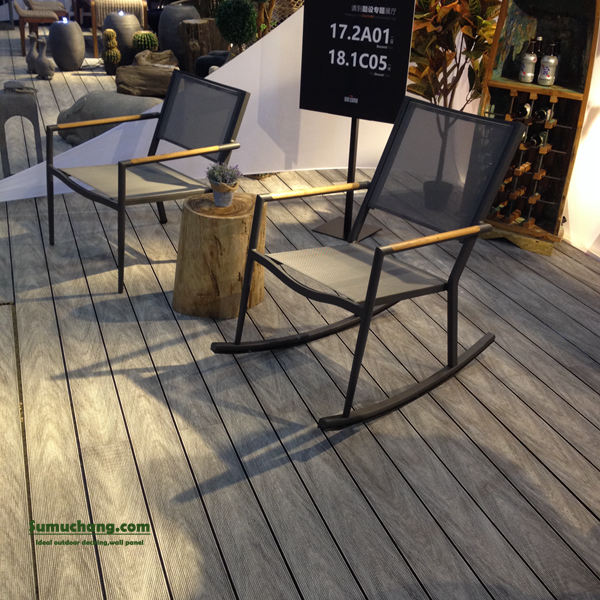
Bovendien vermindert het gebruik van 1×3 composiet terrasplanken het totale houtverbruik, waardoor de druk op bossen en ecosystemen wordt verlicht.Deze verschuiving naar duurzame materialen weerspiegelt een groeiend bewustzijn in de bouwsector met betrekking tot de milieu-impact van bouwmaterialen.Door te kiezen voor WPC dragen consumenten bij aan de grotere beweging naar milieuvriendelijke bouwpraktijken, waardoor een impactvolle keuze voor de planeet wordt.
Lage Onderhoudsvoordelen
Een van de meest aantrekkelijke kenmerken van 1 × 3 composiet terrasplanken is de lage onderhoudsvereisten.In tegenstelling tot traditioneel hout, dat regelmatig onderhoud vereist in de vorm van schuren, afdichten en schilderen, heeft composiet terrasplanken slechts af en toe een reiniging nodig om zijn uiterlijk te behouden.Deze functie is bijzonder voordelig voor huiseigenaren die op zoek zijn naar een prachtige buitenruimte zonder de bijbehorende arbeid.De langdurige afwerking van samengestelde platen betekent dat ze jaar na jaar hun esthetische aantrekkingskracht behouden, zonder dat uitgebreid onderhoud nodig is.
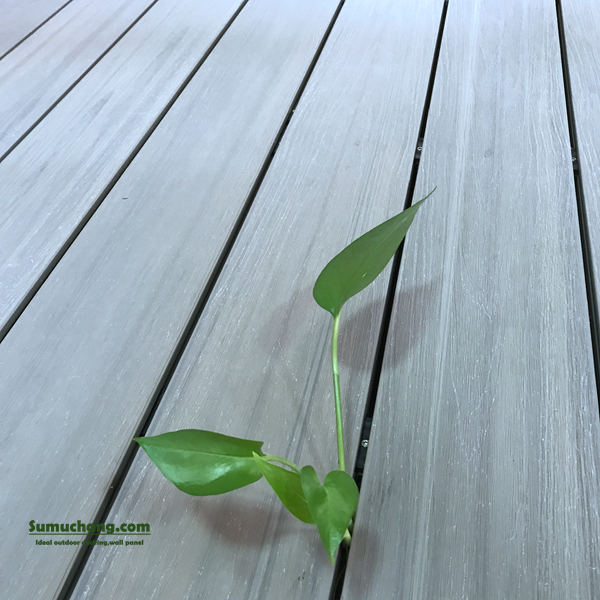
Deze lage onderhoudskwaliteit is niet alleen gunstig voor huiseigenaren, maar draagt ook bij aan de duurzaamheid van het milieu.Met minder frequente behoefte aan reinigingsmiddelen en behandelingen, is er een opmerkelijke vermindering van de chemische afvloeiing die kan voorkomen door traditionele houtverzorgingsproducten.Daarom helpt 1×3 composiet terrasplanken bij het behoud van lokale ecosystemen en biedt het tegelijkertijd een praktische oplossing voor buitenvloeren.
De esthetische aantrekkingskracht van composiet terrasplanken
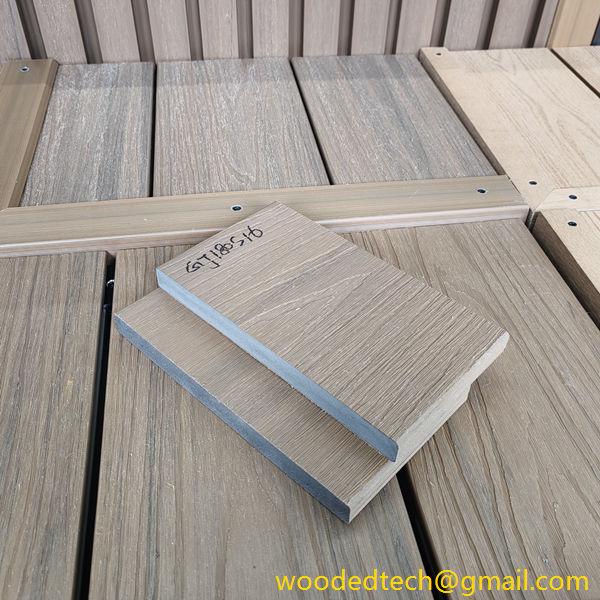
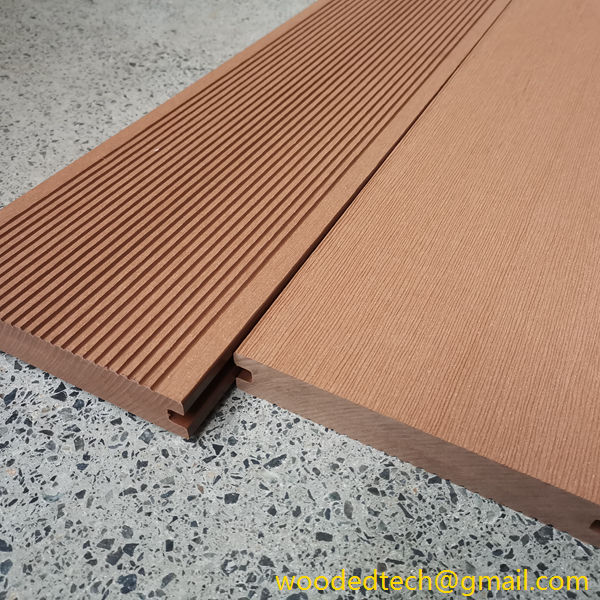
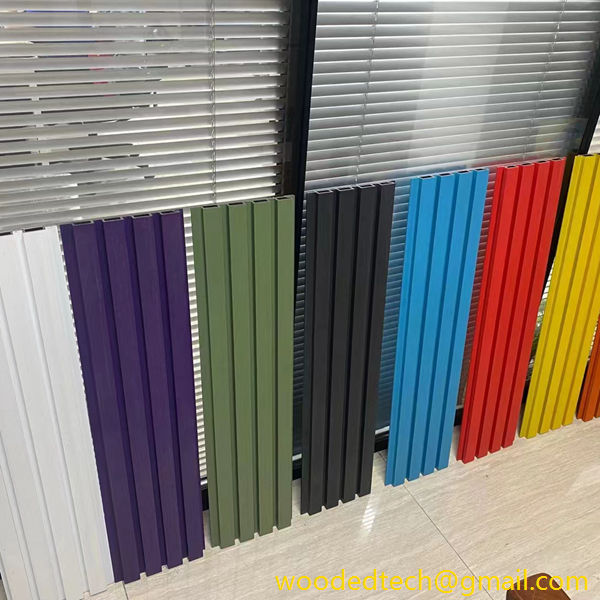
Esthetisch biedt 1×3 composiet terrasplanken een breed scala aan ontwerpopties die elk huis kunnen aanvullen.Verkrijgbaar in tal van kleuren, texturen en afwerkingen, kunnen composietplaten het uiterlijk van natuurlijk hout nabootsen zonder de bijbehorende nadelen.Deze veelzijdigheid stelt huiseigenaren in staat om op maat gemaakte buitenruimtes te creëren die hun persoonlijke stijl weerspiegelen en tegelijkertijd profiteren van de duurzaamheid en duurzaamheid van het materiaal.
<pDe mogelijkheid om buitenruimtes met composiet terrasplanken aan te passen, strekt zich ook uit tot ontwerpkenmerken.Verschillende profielen en breedtes, waaronder de populaire 1x3-afmeting, maken creatieve lay-outs en patronen mogelijk die de algehele aantrekkingskracht van tuingebieden, patio's en balkons kunnen verbeteren.Door WPC te omarmen, kunnen huiseigenaren uitnodigende buitenomgevingen creëren die harmoniseren met de natuur en tegelijkertijd de hedendaagse ontwerpprincipes handhaven.Toekomst van duurzame buitenvloeren
De trend naar het gebruik van duurzame materialen in de bouw wint aan een impuls, waardoor 1×3 composiet terrasplanken een uitstekende keuze zijn voor de milieubewuste consument.Naarmate fabrikanten de duurzaamheid van hun producten innoveren en verbeteren, kunnen we nog verdere verbeteringen verwachten in de prestaties en milieuvriendelijkheid van composietmaterialen.Toekomstige ontwikkelingen kunnen hogere percentages gerecyclede inhoud, verbeterde recycleerbaarheid van de producten zelf en vooruitgang in productieprocessen omvatten die de milieu-impact verder minimaliseren.
Naarmate het bewustzijn rond milieukwesties blijft groeien, zal de adoptie van duurzame materialen zoals 1×3 composietdekken waarschijnlijk meer mainstream worden.De verschuiving naar groenere bouwpraktijken weerspiegelt niet alleen veranderende voorkeuren van consumenten, maar benadrukt ook een collectieve verantwoordelijkheid om de planeet te beschermen voor toekomstige generaties.Door te investeren in composiet terrasplanken maken consumenten een proactieve keuze om duurzaamheid te ondersteunen en tegelijkertijd te genieten van de vele voordelen die dit innovatieve materiaal biedt.