 Nederlands
  English
  Español
  Français
  Português
  Deutsch
  Italiano
  Русский
  العربية
  简体中文
简体中文  香港中文
香港中文  한국어
한국어  日本語
日本語  Türkçe
  Bahasa Indonesia
 Correcte installatietechnieken voor composietde dekposthulzen
de installatie van composiet dekposthulzen vereist precisie en aandacht voor detail.Begin met ervoor te zorgen dat de palen goed aan de grond zijn verankerd en dat de basis van elke posthuls vlak is.Gebruik een spiritniveau om te controleren op eventuele discrepanties; een ongelijke basis kan leiden tot structurele problemen op lange termijn.De mouwen moeten goed over de palen passen, en als er enige weerstand is tijdens de installatie, forceer ze dan niet.Controleer in plaats daarvan op obstructies of puin en ontruim het gebied voordat u verder gaat.Een goede uitlijning is cruciaal; zelfs een lichte hoek kan de algehele esthetiek en functionaliteit beïnvloeden.
Tijdens de installatie is het essentieel om de specificaties van de fabrikant met betrekking tot afstand en bevestiging te behouden.Veel samengestelde dekpashulzen hebben specifieke eisen voor schroeven of beugels die moeten worden nageleefd.Het negeren van deze richtlijnen kan resulteren in instabiliteit, wat de hele dekstructuur in gevaar kan brengen.Het is raadzaam om de installatiehandleiding te raadplegen of contact op te nemen met de fabrikant voor eventuele verduidelijkingen die nodig zijn.
Veelvoorkomende installatiefouten en probleemoplossing
Een van de meest voorkomende problemen tijdens de installatie van samengestelde dekposthulzen is een verkeerde uitlijning.Dit kan optreden als de palen niet correct zijn geplaatst voordat de mouwen worden toegevoegd.Als je ontdekt dat de mouwen leunend of niet verticaal zijn, moet je ze verwijderen en de uitlijning van de post aanpassen.Een andere veel voorkomende fout is onderverstrakkende bevestigingsmiddelen, die in de loop van de tijd tot beweging kunnen leiden.Zorg er altijd voor dat schroeven en beugels voldoende worden vastgedraaid zonder oververstrakking, wat schade aan het composietmateriaal kan veroorzaken.
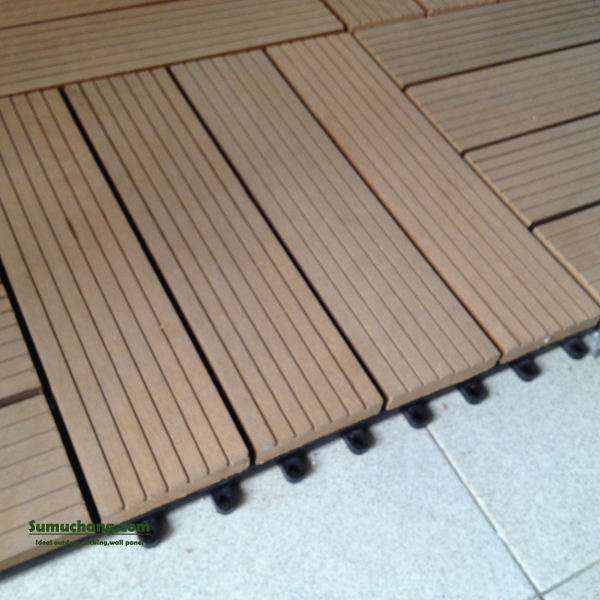
Kleurverschillen kunnen ook na installatie duidelijk worden, vooral als verschillende partijen composietmaterialen worden gebruikt.Het is raadzaam om de kleurconsistentie te controleren voor de installatie.Als er verschillen ontstaan, overweeg dan om een weerbestendige vlek te gebruiken die kan helpen de kleuren gelijkmatiger te mengen.Test echter elke vlek op een klein, onopvallend gebied eerst om ervoor te zorgen dat het aan uw esthetische voorkeur voldoet.
Uitbreidingsproblemen aanpakken
Samengestelde materialen kunnen uitzetten en samentrekken met veranderingen in temperatuur, waardoor er gaten ontstaan aan de basis van de post sleeves als deze niet worden verantwoord.Om dit probleem te verzachten, kunt u voldoende afstand tussen de dekplanken en de mouwen mogelijk maken.De meeste fabrikanten geven richtlijnen over de nodige hiaten om kringen of knikken te voorkomen.Als er toch uitzetting optreedt, kan een flexibel afdichtingsmateriaal worden gebruikt om zichtbare hiaten af te dichten terwijl het toch beweging mogelijk maakt.
Controleer bovendien tijdens de warmere maanden op tekenen van overmatige uitzetting, vooral als de posthulzen in direct zonlicht zijn geïnstalleerd.Als u merkbaar uitpuilen opmerkt, kan het aanpassingen aan de installatie vereisen.Regelmatige inspecties na extreem weer kunnen ook helpen om deze problemen vroeg op te vangen.
Oppervlaktekrabben en onderhoudsafwegingen
Oppervlakte krassen kunnen optreden tijdens de installatie van samengestelde dek post mouwen of kan verschijnen na verloop van tijd als gevolg van regelmatig gebruik.Om krassen tijdens de installatie te voorkomen, gaat u met zorg om met de mouwen en gebruikt u beschermende bekledingen op scherp gereedschap.Als er krassen verschijnen, kunnen veel composietmaterialen worden uitgepot met een zachte doek.Overweeg voor diepere krassen het gebruik van een touch-up kit die speciaal is ontworpen voor uw composietmateriaal.
Onderhoud is van vitaal belang om ervoor te zorgen dat uw samengestelde dekpalen hun uiterlijk en structurele integriteit behouden.Reinig de mouwen regelmatig met een zachte zeepoplossing en een zachte borstel om vuil en puin te verwijderen.Vermijd agressieve chemicaliën die de oppervlakteafwerking kunnen beschadigen.Zorg er in regio's met zware sneeuwval voor dat sneeuw zich niet rond de palen ophoopt, omdat dit kan leiden tot vochtretentie en potentiële schade.
Ondersteuning en garantieproblemen na verkoop
Ondersteuning na verkoop kan de ervaring van het gebruik van composiet dekposthulzen aanzienlijk verbeteren.De meeste fabrikanten bieden garanties die betrekking hebben op defecten in materialen of vakmanschap.Het is van cruciaal belang om alle aankoopbewijzen en documentatie met betrekking tot de installatie te behouden.Mochten er zich problemen voordoen, neem dan onmiddellijk contact op met de fabrikant om uw garantieopties te begrijpen.Dit zorgt ervoor dat u toegang heeft tot de benodigde onderdelen of assistentie voor reparaties of vervangingen, mocht deze nodig zijn.
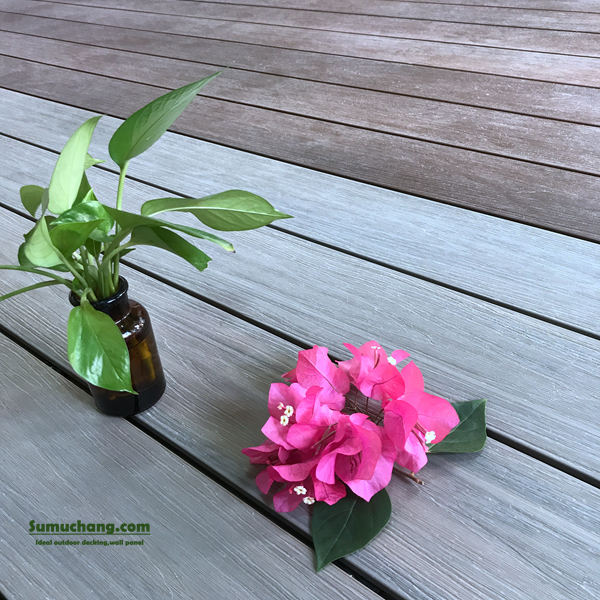
Documenteer ook eventuele problemen die u tegenkomt tijdens de installatie of het gebruik.Deze informatie kan van onschatbare waarde zijn bij het zoeken van hulp van de fabrikant.Het inschakelen van klantenondersteuning kan ervoor zorgen dat u op maat gemaakt advies voor probleemoplossing krijgt dat specifiek is voor uw product, waardoor de kans op verdere complicaties wordt vergroot.