 Nederlands
  English
  Español
  Français
  Português
  Deutsch
  Italiano
  Русский
  العربية
  简体中文
简体中文  香港中文
香港中文  한국어
한국어  日本語
日本語  Türkçe
  Bahasa Indonesia
 De groeiende aantrekkingskracht van composiet terrasplanken
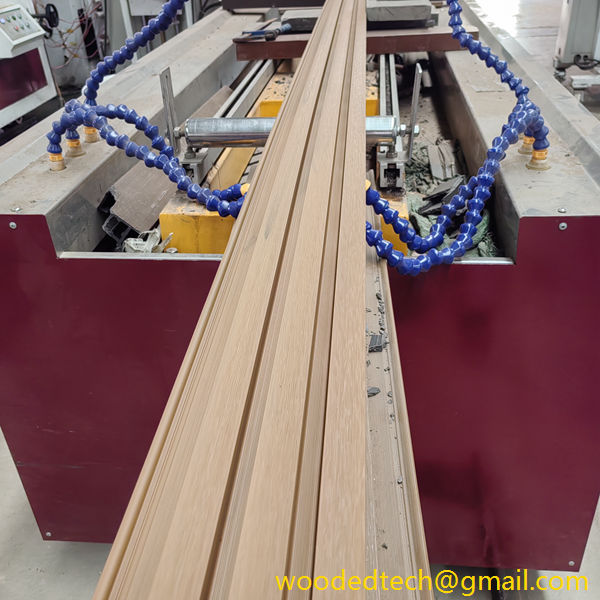
Composiet terrasplanken, met name de 3.6m variëteit, heeft snel aan populariteit gewonnen als een premium keuze voor buitenbouw.Deze overspanning kan worden toegeschreven aan de duurzaamheids- en onderhoudsvoorschriften, die goed resoneren met moderne huiseigenaren en bouwers.In tegenstelling tot traditionele houten terrasplanken, zijn composietmaterialen ontworpen om vervaging, vlekken en kringwerk te weerstaan, zodat buitenruimtes hun schoonheid in de loop van de tijd behouden.Omdat de trend naar duurzame bouwmaterialen aan tractie wint, onderscheidt composiet terrasplanken zich omdat het is gemaakt van gerecyclede materialen, waardoor milieuproblemen effectief worden aangepakt en tegelijkertijd een hoogwaardig product wordt geleverd.
In markten in Europa, Noord-Amerika en delen van Azië kiezen consumenten steeds vaker voor samengestelde terrasplanken vanwege de kosteneffectiviteit op lange termijn.De initiële investering in composiet terrasplanken 3.6m is meestal hoger dan traditioneel hout; de lagere onderhoudskosten en levensduur van het materiaal bieden echter aanzienlijke besparingen gedurende de levensduur van het dek.Als gevolg hiervan integreren bouwers en architecten samengestelde opties in hun ontwerpen, waardoor de plaats in de markt verder wordt versterkt.
Wereldwijde markttrends voor WPC-producten
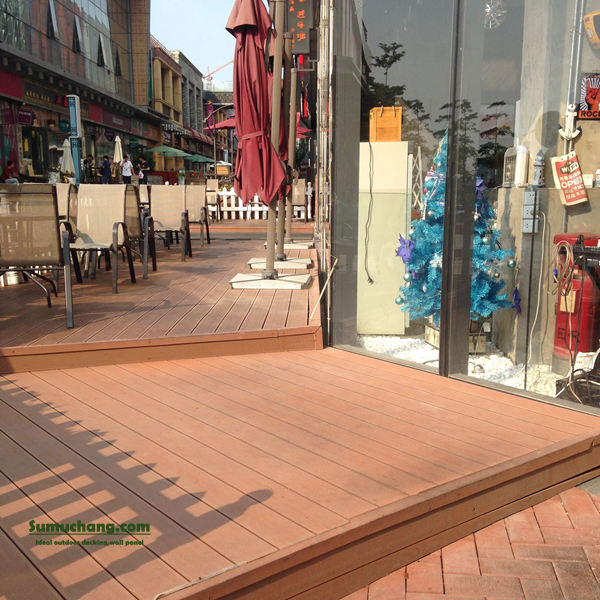
Wood Plastic Composite (WPC) producten, waaronder terrasplanken, wandbekleding, hekwerk en pergola's, zijn wereldwijd getuige van een aanzienlijke groei.De veelzijdigheid van WPC stelt het in staat om tegemoet te komen aan verschillende toepassingen, waardoor het een voorkeurskeuze is voor zowel residentiële als commerciële projecten.Naarmate buitenleefruimtes populairder worden, neemt de vraag naar esthetische maar praktische oplossingen zoals composiet terrasplanken 3.6m toe.
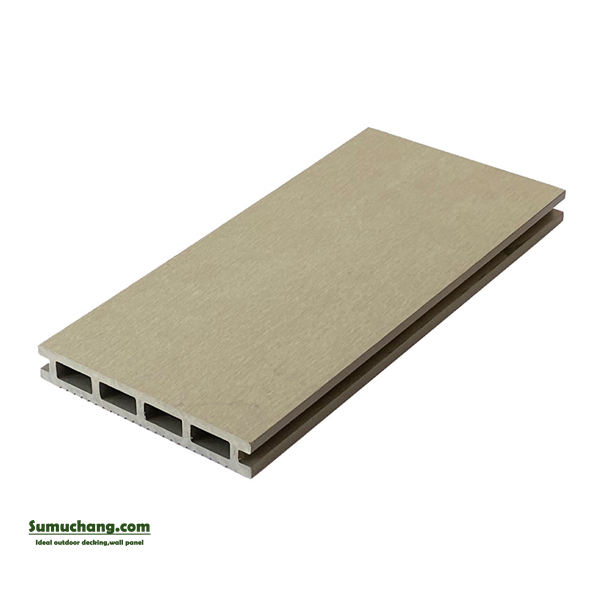
Volgens recente marktanalyse zal de regio Azië-Stille Oceaan naar verwachting de snelste groei van WPC-producten door de verstedelijking en een toenemende investering in infrastructuur ervaren.Landen zoals China en India leiden deze lading en omarmen composietoplossingen die veerkracht bieden tegen de diverse klimaten van de regio.Deze verschuiving weerspiegelt een bredere wereldwijde stap in de richting van milieuvriendelijke bouwmaterialen, waarbij WPC-producten worden gepositioneerd als een cruciaal element van toekomstige bouwprojecten.
Toekomstige kansen in composiet terrasplanken
De toekomst van composiet terrasplanken ziet er veelbelovend uit, vooral omdat de vooruitgang in de technologie de kwaliteiten van het product blijft verbeteren.Innovaties zoals verbeterde productietechnieken en de introductie van duurzamere materialen zijn ingesteld om het composiet terraslandschap opnieuw te definiëren.Bedrijven richten zich op het verbeteren van de esthetische aantrekkingskracht van samengestelde producten, ervoor te zorgen dat ze niet alleen goed presteren, maar ook het uiterlijk van traditioneel hout nabootsen, waardoor een breder klantenbestand wordt aangetrokken.
Verder breidt de opkomst van online retailing en direct-to-consumer verkoopkanalen de toegang tot composiet decking 3.6m producten uit.Deze trend stelt fabrikanten in staat om consumenten rechtstreeks te informeren over de voordelen van composietmaterialen, waarbij traditionele retailkanalen worden omzeild die mogelijk niet volledig de voordelen van WPC-producten overbrengen.Naarmate het bewustzijn toeneemt, zal de markt waarschijnlijk een aanzienlijke toename van de adoptiecijfers zien, met name bij milieubewuste consumenten.
Toepassingen Buiten Decking
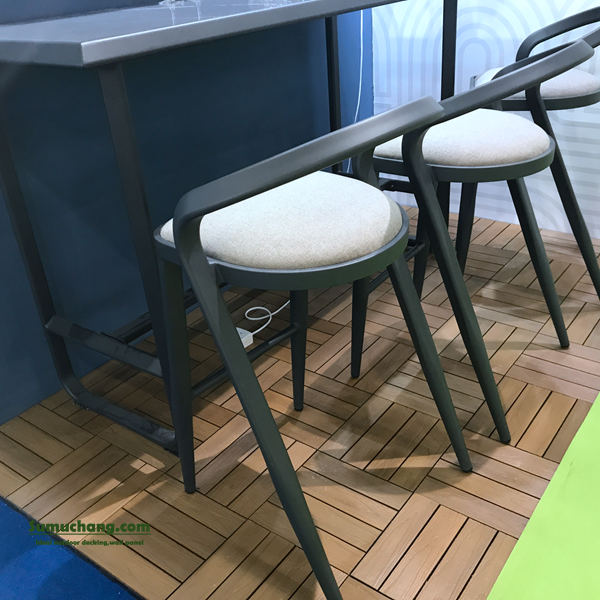
Hoewel composiet terrasplanken een primaire toepassing van WPC-materialen is, reikt het potentieel ervan veel verder.Het gebruik van WPC in wandbekleding en hekwerk biedt extra wegen voor groei.Naarmate architecten en landschapsontwerpers samenhangende esthetische oplossingen zoeken voor buitenruimtes, wordt het integreren van composietmaterialen in verschillende elementen van design steeds aantrekkelijker.De naadloze combinatie van composiet terrasplanken en gevelbekleding kan een verbluffende visuele continuïteit in buitenomgevingen creëren.
Bovendien maakt de duurzaamheid van WPC-producten ze een ideale keuze voor hekwerk en privacyoplossingen.Huiseigenaren zijn op zoek naar hekwerkopties die beveiliging bieden en tegelijkertijd het algehele uiterlijk van het landschap verbeteren.De mogelijkheid om composiet hekwerk in verschillende kleuren en afwerkingen aan te passen, spreekt consumenten verder aan, zodat deze producten voldoen aan diverse stijlvoorkeuren.
Uitdagingen in de markt aanpakken
<pOndanks de positieve vooruitzichten voor composiet decking en WPC-producten, staat de markt voor uitdagingen.Onderwijs blijft voorop staan; veel consumenten zijn zich nog steeds niet bewust van de voordelen van composietmaterialen ten opzichte van traditionele opties.Ook kunnen de initiële hogere kosten potentiële kopers afschrikken.Het is essentieel voor belanghebbenden uit de industrie om de voordelen op lange termijn effectief over te brengen en de waardepropositie aan te tonen van investeren in samengestelde terrasplanken 3,6m.Bovendien, naarmate meer spelers op de markt komen, intensiveert de concurrentie.Bedrijven moeten zich richten op het onderscheiden van hun producten door superieure kwaliteit, innovatieve ontwerpen en uitstekende klantenservice.Deze focus op kwaliteit en service kan helpen bij het opbouwen van merkloyaliteit en bedrijven gunstig positioneren in een steeds drukkere marktplaats.