 Nederlands
  English
  Español
  Français
  Português
  Deutsch
  Italiano
  Русский
  العربية
  简体中文
简体中文  香港中文
香港中文  한국어
한국어  日本語
日本語  Türkçe
  Bahasa Indonesia
 Definieren van afgedekt en niet-afgetopt composiet terrasplanken
Composiet terrasplanken heeft enorme populariteit gewonnen door zijn duurzaamheid en esthetische aantrekkingskracht, maar niet alle samengestelde terrasplanken producten zijn gelijk gemaakt.Het belangrijkste onderscheid ligt in de vraag of de borden zijn afgetopt of niet-afgetopt.Gekapte composiet terrasplanken zijn voorzien van een beschermende polymeerschaal die de samengestelde kern omhult, wat extra weerstand biedt tegen vocht, vervaging en vlekken.Deze buitenlaag is ontworpen om superieure bescherming te bieden, waardoor hij ideaal is voor omgevingen die worden blootgesteld aan bare weersomstandigheden.Aan de andere kant ontbreekt het niet-afgetopte composietdekken aan deze beschermende schaal, wat kan leiden tot een verhoogde gevoeligheid voor de elementen, wat resulteert in potentiële degradatie in de loop van de tijd.
De keuze tussen afgetopt en niet-afgetopt composiet terrasplanken kan de levensduur en het onderhoud van de structuur aanzienlijk beïnvloeden.Projecten zoals dekken aan het zwembad of patio's aan de buitenlucht profiteren bijvoorbeeld van de veerkracht van afgedekte planken, zodat ze bestand zijn tegen spatten en UV-blootstelling zonder kromtrekken of verkleuren.Niet-afgetopte planken, hoewel vaak zuiniger, kunnen vaker onderhoud en vervanging vereisen, vooral in veeleisende buitenomgevingen.
Real-World Toepassingen en esthetische aantrekkingskracht
Als het gaat om esthetiek, neemt afgetopte composiet terrasplanken vaak het voortouw.De verscheidenheid aan afwerkingen en kleuren die beschikbaar zijn, zorgt voor creatieve vrijheid in ontwerp, of het nu voor een woondek of een commercieel project is.Een recente installatie aan een pand aan het strand toonde bijvoorbeeld de verbluffende visuele impact van co-extrusie WPC-deksels, waar het afgetopte oppervlak de natuurlijke schoonheid van hout nabootste en tegelijkertijd verbeterde bescherming bood tegen zoute lucht en vocht.
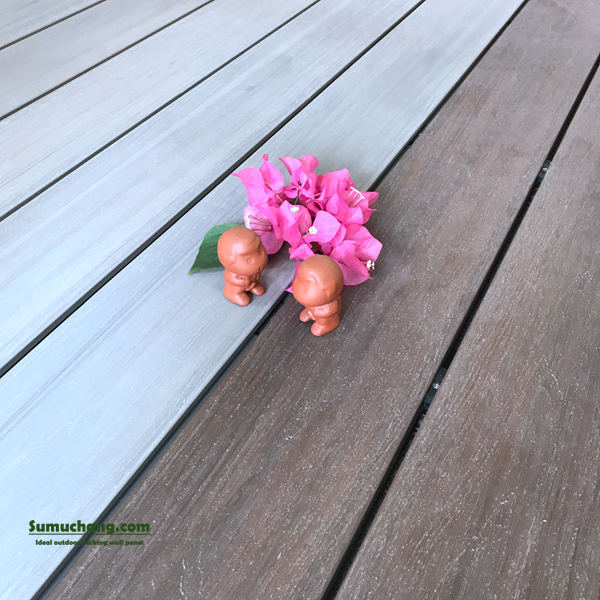
Uncapped composiet terrasplanken, hoewel verkrijgbaar in verschillende kleuren, bieden mogelijk niet dezelfde diepte van afwerking.Het kan nog steeds een geschikte optie zijn voor minder veeleisende projecten, zoals tuinpaden of gebieden die niet direct aan de elementen zijn blootgesteld.Voor buitenleefruimtes waar esthetiek en duurzaamheid voorop staan, blijken afgetopte planken echter vaak de voorkeurskeuze.
Installatie Overwegingen voor blijvende resultaten
Het installatieproces voor zowel afgetopte als niet-afgetopte composietdekken vereist zorgvuldige aandacht voor detail om de resultaten te garanderen.Capped boards hebben meestal specifieke installatierichtlijnen die op de voet moeten worden gevolgd.Hun unieke structuur betekent dat de juiste afstand en ondersteuning van cruciaal belang zijn om kruining of knikken te voorkomen, vooral in omgevingen met hoge temperaturen.Professionele aannemers raden vaak aan om verborgen bevestigingsmiddelen te gebruiken voor afgetopte boards, wat niet alleen de esthetische aantrekkingskracht verbetert door schroeven te verbergen, maar ook zorgt voor natuurlijke uitzetting en samentrekking.
Uncapped boards, hoewel meer vergevingsgezind in sommige opzichten, vereisen ijverig onderhoud.Ze moeten mogelijk worden geïnstalleerd met meer frequente afstand om de afvoer te vergemakkelijken en vochtretentie te verminderen.Juiste afdichtingsbehandelingen kunnen ook tijdens de installatie worden toegepast om hun levensduur te verbeteren, hoewel deze extra stappen mogelijk niet zo nodig zijn voor afgetopte alternatieven.
Het Handhaven Van Uw Samengestelde Decking
Onderhoudsroutines zullen aanzienlijk variëren tussen afgetopt en onbedekt samengesteld terrasplanken.Gecapte planken, dankzij hun beschermlaag, vereisen minimaal onderhoud.Een eenvoudige wasbeurt met water en zeep is meestal voldoende om ze er ongerept uit te laten zien.Hun weerstand tegen vlekken en vervaging betekent dat morsen en weersomstandigheden niet leiden tot permanente verkleuring, een veel voorkomende zorg met niet-afgetopte opties.
<pConverse, uncapped composiet terrasplanken kunnen vaker reiniging en beschermende behandelingen vereisen om het uiterlijk en de integriteit ervan te behouden.Regelmatige inspecties voor tekenen van slijtage zijn essentieel.Alle gebieden die tekenen van vervaging of kleuring vertonen, moeten mogelijk eerder worden behandeld of vervangen dan hun afgetopte tegenhangers.
Het Lange Termen Kostenperspectief
Bij het overwegen van de kostenimplicaties op de lange termijn, biedt afgetopte samengestelde terrasplanken vaak een zuinigere keuze in de loop van de tijd.Hoewel de initiële investering hoger kan zijn, kunnen de lagere onderhoudskosten en verbeterde duurzaamheid leiden tot aanzienlijke besparingen.Projecten met afgetopte terrasplanken hebben de neiging om minder reparaties en vervangingen te vereisen, waardoor de investering op de lange termijn loont.Uncapped decking, hoewel goedkoper vooraf, kan leiden tot verhoogde kosten in verband met onderhoud en uiteindelijke vervanging, met name in high-traffic of weer-blootgestelde gebieden.
Uiteindelijk moet de beslissing tussen afgetopt en niet-afgetopt composiet terrasplanken zowel rekening houden met het onmiddellijke budget als de langetermijnvisie voor de ruimte.Investeren in hoogwaardige materialen kan de algehele esthetiek, duurzaamheid en functionele levensduur van buitenprojecten verbeteren.