 Nederlands
  English
  Español
  Français
  Português
  Deutsch
  Italiano
  Русский
  العربية
  简体中文
简体中文  香港中文
香港中文  한국어
한국어  日本語
日本語  Türkçe
  Bahasa Indonesia
 Onderhoud van WPC-vloeren
Het reinigen van WPC-vloeren is opmerkelijk eenvoudig, wat dient als een van de belangrijkste voordelen van het materiaal ten opzichte van traditioneel hout.In tegenstelling tot natuurlijk hout, dat frequente beitsen, afdichting en kostbaar onderhoud vereist, biedt houtplasticcomposiet een onderhoudsarm alternatief.Een eenvoudige veeg of slang naar beneden met water is vaak alles wat nodig is om WPC-oppervlakken er ongerept uit te laten zien.Voor meer hardnekkige vlekken volstaan milde zeep en water meestal, waardoor het een aantrekkelijke keuze is voor drukke huiseigenaren en commerciële vastgoedbeheerders.
Natuurlijk hout vereist daarentegen niet alleen frequenter onderhoud, maar vereist ook specifieke reinigingsmiddelen die na verloop van tijd schadelijk kunnen zijn voor het hout als het niet correct wordt gebruikt.Dit kan leiden tot hogere reinigingskosten en meer tijd besteed aan het onderhouden van het oppervlak.Vroege vaste WPC-producten, hoewel betaalbaarder, missen vaak de geavanceerde co-extruded capstock-laag die de weerstand tegen vocht en vervaging verbetert, wat betekent dat ze mogelijk meer aandacht nodig hebben om verslechtering te voorkomen.
Levensduur en levensduur
De levensduur van WPC-vloeren is aanzienlijk groter dan die van traditioneel hout.Hoewel hout een behoorlijke levensduur heeft van ongeveer 15 tot 20 jaar met goed onderhoud, kunnen co-extruded WPC-producten tot 30 jaar of langer meegaan.Deze levensduur is het resultaat van de weerstand van het composietmateriaal tegen splinteren, kronkelen en kraken.De capstocklaag speelt een cruciale rol bij het beschermen van het onderliggende materiaal tegen de elementen, waardoor het oppervlak jarenlang intact en visueel aantrekkelijk blijft.
Hout daarentegen is zeer gevoelig voor omgevingsfactoren.Regen, zon en fluctuerende temperaturen kunnen ervoor zorgen dat het na verloop van tijd kronkt en scheurt.Bovendien kan hout last hebben van splintering, wat niet alleen van invloed is op de esthetiek, maar ook een veiligheidsrisico vormt, vooral in buitenomgevingen.Vroege solide WPC-producten, hoewel goedkoper vooraf, hebben vaak niet hetzelfde beschermingsniveau en kunnen veel sneller verslechteren dan hun afgetopte tegenhangers, wat leidt tot frequentere vervangingen en extra kosten in de loop van de tijd.
Weerbestendigheid
Weerbestendigheid is een andere kritische overweging bij het evalueren van buitenvloeropties.WPC-vloeren zijn ontworpen om de nadelige effecten van regen, sneeuw en UV-stralen te weerstaan.Dit maakt het een ideale oplossing voor buitenleefruimtes, waar blootstelling aan de elementen een aanzienlijke invloed kan hebben op de levensduur van het materiaal.Co-extruded WPC-producten zijn bijzonder bedreven in het afstoten van vocht, wat de groei van schimmel en meeldauw helpt voorkomen, veelvoorkomende problemen waarmee natuurlijke houtproducten worden geconfronteerd.
Aan de andere kant kan traditioneel hout snel verslechteren wanneer het wordt blootgesteld aan vocht.Dit verkort niet alleen de levensduur, maar leidt ook tot extra onderhoudsvereisten.Vroege solide WPC kan enige weerstand bieden, maar schiet tekort in de prestaties die worden geleverd door co-extruded opties, die beter bestand zijn tegen extreme weersomstandigheden zonder afbreuk te doen aan de structurele integriteit.
Kosteneffectiviteit en echte waarde
Bij de evaluatie van de reële totale waarde van buitenvloeropties is het essentieel om zowel de initiële investeringen als de kosten op lange termijn te overwegen.Hoewel WPC-vloeren een hogere kosten vooraf kunnen hebben in vergelijking met vroeg massief WPC of onbehandeld hout, wegen de langetermijnbesparingen vaak op tegen de initiële investering.De verminderde onderhoudsfrequentie en kosten in verband met WPC-materialen dragen bij aan lagere totale uitgaven door de jaren heen.Bovendien betekent de langere levensduur van WPC-vloeren minder vervangingen, wat een aanzienlijk financieel voordeel kan betekenen.
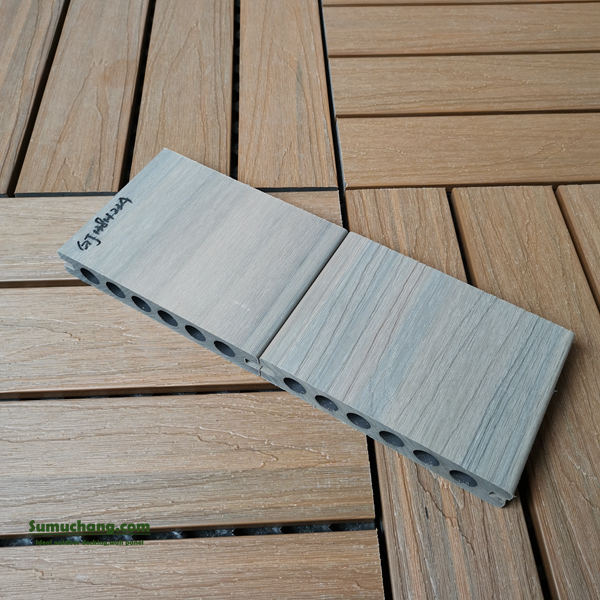
Natuurlijk hout, hoewel aantrekkelijk, maakt in de loop van de tijd vaak hogere kosten vanwege de noodzaak van regelmatig onderhoud en vervanging.Bovendien kan onbehandeld hout leiden tot onverwachte uitgaven als gevolg van versplintering of verkritsing, waardoor reparaties of vervanging eerder nodig zijn dan verwacht.Vroege solide WPC lijkt in eerste instantie misschien goedkoper, maar het gebrek aan duurzaamheid en een hogere vervangingsfrequentie kan het op de lange termijn een minder economische keuze maken.
Vergelijking van esthetiek
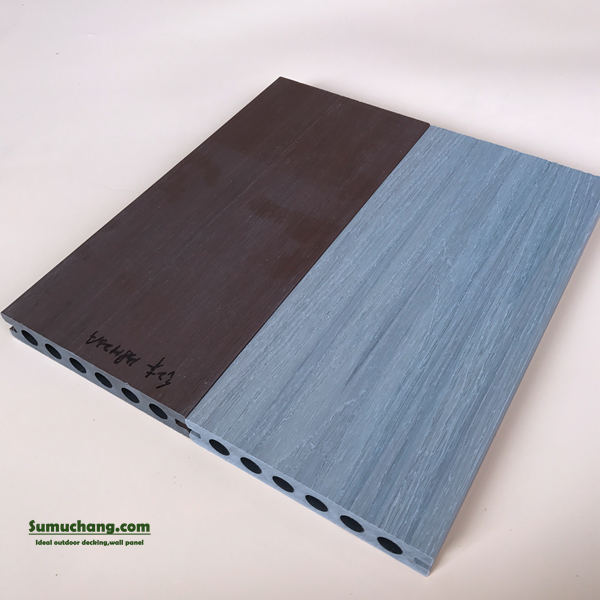
Esthetisch gezien hebben zowel WPC als hout hun unieke aantrekkingskracht, maar de consistentie en het scala aan afwerkingen die beschikbaar zijn met WPC-vloeren maken het een steeds populairdere keuze.Het co-extrusieproces zorgt voor een verscheidenheid aan kleuren en texturen die natuurlijk hout kunnen nabootsen, wat een aantrekkelijke buitenruimte biedt zonder het gedoe van onderhoud.Deze veelzijdigheid maakt het gemakkelijker om een WPC-product te vinden dat past bij zowel persoonlijke stijl als praktische behoeften.
Natuurlijk hout, hoewel onmiskenbaar mooi, heeft vaak last van kleurvervaging en verwering in de loop van de tijd.De aanvankelijke schoonheid kan vervagen, wat leidt tot een ruimte die mogelijk niet de gewenste kwaliteit weerspiegelt.WPC-vloeren daarentegen behouden zijn uiterlijk veel langer, waardoor de buitenomgevingen worden verbeterd zonder dat er vaak vervangingen of refinishing nodig zijn.