 Nederlands
  English
  Español
  Français
  Português
  Deutsch
  Italiano
  Русский
  العربية
  简体中文
简体中文  香港中文
香港中文  한국어
한국어  日本語
日本語  Türkçe
  Bahasa Indonesia
 The Durability of Composite Decking
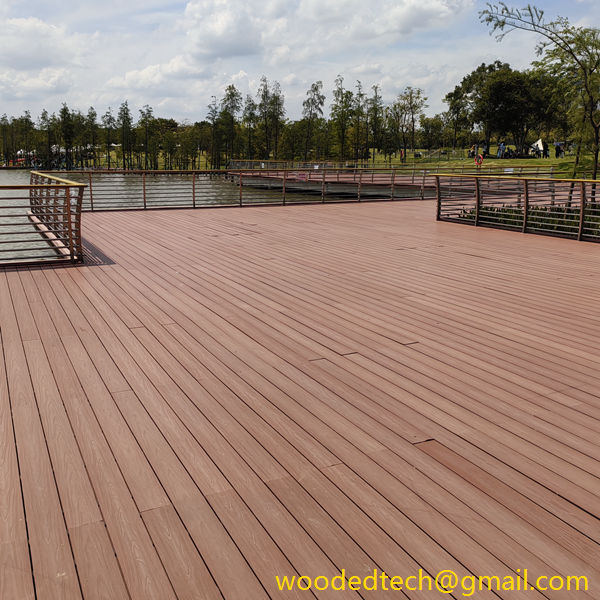
Many outdoor spaces are enhanced through the use of composite decking, a material that has gained tremendous popularity due to its aesthetic appeal and resistance to decay. Homeowners and designers alike often ask, will composite decking rot in outdoor environments? The answer lies in its unique composition, which combines wood fibres with plastic, making it far less susceptible to moisture-related damage compared to traditional timber. This durability ensures that composite decking remains intact and visually appealing, even in wet or humid climates.
Unlike wood, which can warp, crack, or rot when exposed to the elements, composite materials are designed to withstand these conditions. This makes them an excellent choice for a wide range of outdoor applications, including not just decking, but also wall panels, fences, and other structures. The modern advancements in composite technology have resulted in products that offer long-lasting performance while reducing the need for maintenance.

Modern Design Trends in Composite Materials
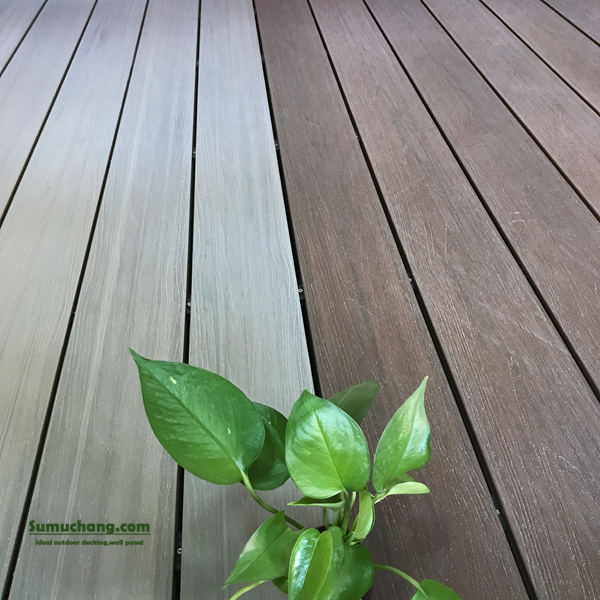
A significant aspect of my role as an outdoor WPC product designer involves staying abreast of the latest design trends. The versatility of composite materials allows for innovative designs that cater to contemporary aesthetics. Textures, colours, and profiles have evolved, providing homeowners with choices that can enhance their outdoor spaces beautifully. For example, wood grain finishes can mimic the look of natural timber, while rich colours like deep browns and warm greys can complement the surrounding landscape.
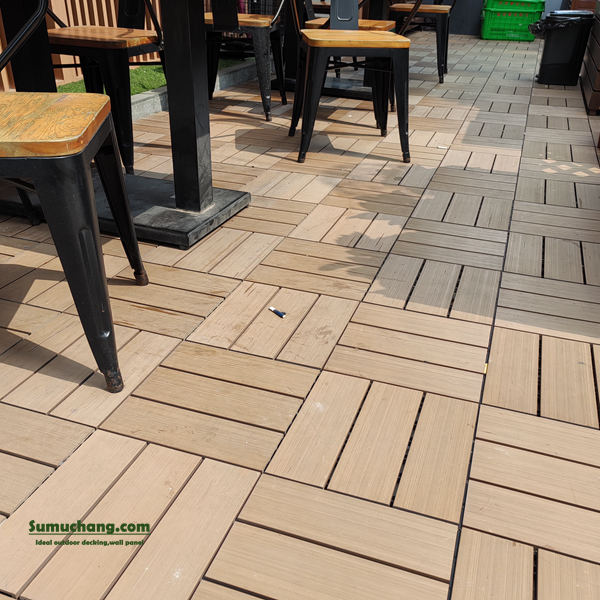
Another trend is the use of modular designs in composite decking and fencing. This approach simplifies installation and allows for creative layouts. Modular systems enable homeowners to create unique outdoor environments that reflect their personal style, whether through raised platforms, integrated seating, or custom lighting features. Such flexibility eliminates the monotony often seen with traditional materials.
Textures and Profiles in Outdoor Design
Textures play a pivotal role in the visual interest of outdoor spaces. Composite decking now comes in a variety of textures that enhance grip and provide safety without sacrificing style. The trend towards tactile surfaces not only improves functionality but also adds a sensory dimension to outdoor areas. For instance, textured surfaces can prevent slipping, making them ideal for around swimming pools or outdoor kitchens.

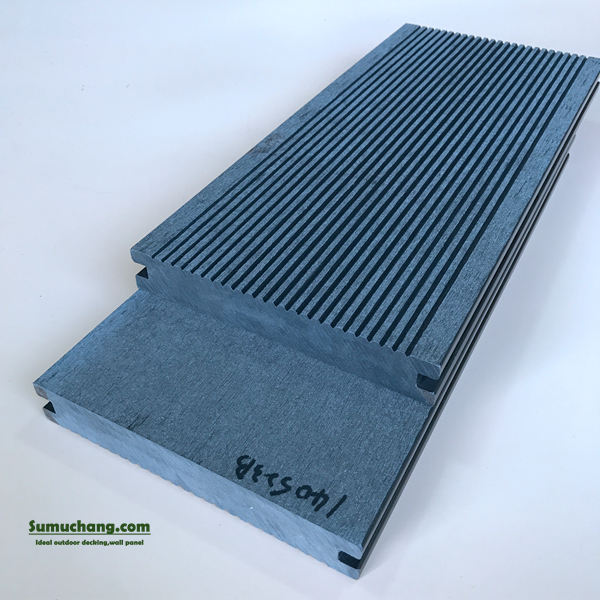
Profiles have also diversified significantly. Composite boards can now be found in various widths and thicknesses, allowing for greater design freedom. Builders and designers can select profiles that perfectly align with the overall vision of the outdoor space, contributing to a cohesive look. Whether it’s a sleek, modern deck or a rustic-chic fence, the right profile can elevate the project.
The Role of Colour in Outdoor Spaces
Colour selection is crucial when designing outdoor environments. The palette used for composite decking and related products can dramatically influence the ambiance of a space. Soft, natural hues tend to blend seamlessly with nature, while bolder colours can create striking focal points. As outdoor living continues to evolve, so too does the demand for colour options that reflect individual preferences and lifestyle choices.
Furthermore, the resistance of composite materials to fading means that these vibrant colours can remain intact for years, unlike traditional wood that may require staining or painting to maintain its appearance. This longevity in colour not only enhances aesthetic appeal but also plays a role in the overall maintenance of outdoor products.
Environmental Considerations in Design
Sustainability is a key consideration in modern design. The shift towards eco-friendly materials has led many to explore composite decking as a responsible choice. Made from recycled wood and plastic, composite materials contribute to reduced waste and a lower carbon footprint. This aligns with the growing consumer demand for sustainable building materials.
As designers and builders, it is essential to promote options that not only enhance aesthetic appeal but also support environmental stewardship. The longevity and stability of composite materials mean that they can withstand time and the elements, reducing the need for replacement and minimising overall environmental impact.